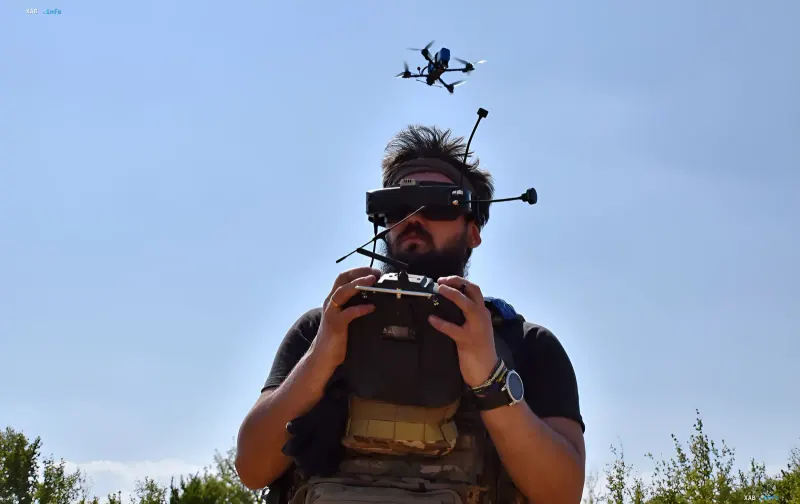
Ukrainian military forces carried out a large-scale operation to strike strategic enemy targets deep in the rear. The Unmanned Systems Forces of the Armed Forces of Ukraine launched a series of precision strikes on the Krasnodar Krai, depriving Russian troops of several key elements of their air defense and radar systems.
The operation was conducted by fighters of the 1st Separate Center of Unmanned Systems Forces. According to official data, the strikes were delivered at an operational depth exceeding 270 kilometers from the line of contact. This indicates a significant expansion of strike zones and the capabilities of Ukrainian aviation.
Neutralizing the surveillance system
As a result of the attack, eight objects were destroyed or put out of commission. Among them were radars and communication nodes necessary for the functioning of the air defense system. The military emphasize that these specific elements are responsible for detecting aerial targets and controlling anti-aircraft complexes.
"In one approach, the occupiers lost a number of key elements of their surveillance and air defense system," the Ukrainian command stated. Experts note that the loss of such objects seriously reduces the enemy's ability to control the airspace in the region.
Strategic consequences
Specialists from the 1st Separate Center predict that following such strikes, it will become significantly more difficult for Russian troops to cover their airfields and launch sites. In particular, positions used for launching Shahed-type kamikaze drones are now under threat.
Weakening the air defense in border regions opens up opportunities for further raids and attacks on infrastructure. This creates additional difficulties for logistics and the transfer of equipment to the combat zone.
Context of long-range operations
The operation in the Krasnodar Krai is not an isolated incident. Previously, the Ukrainian company Fire Point reported striking a logistics hub for the Wildberries marketplace in the Samara region, as well as an attack on the Saratov oil refinery.
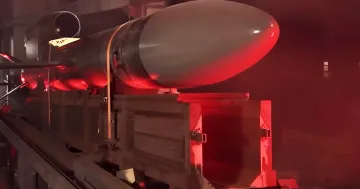
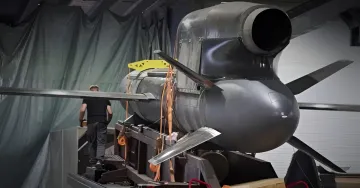
According to the developers, long-range FP-1 drones were used for these attacks. These incidents confirm the trend of expanding the geography of strikes and shifting to targeting objects located thousands of kilometers from the front.