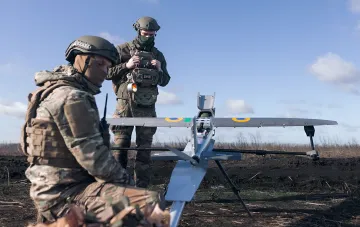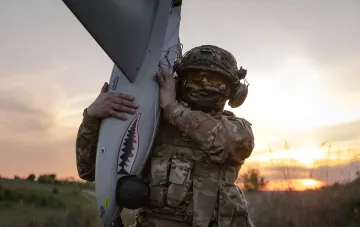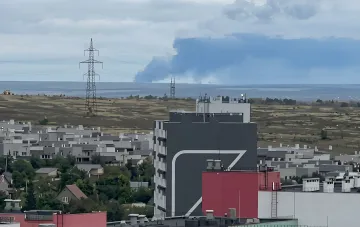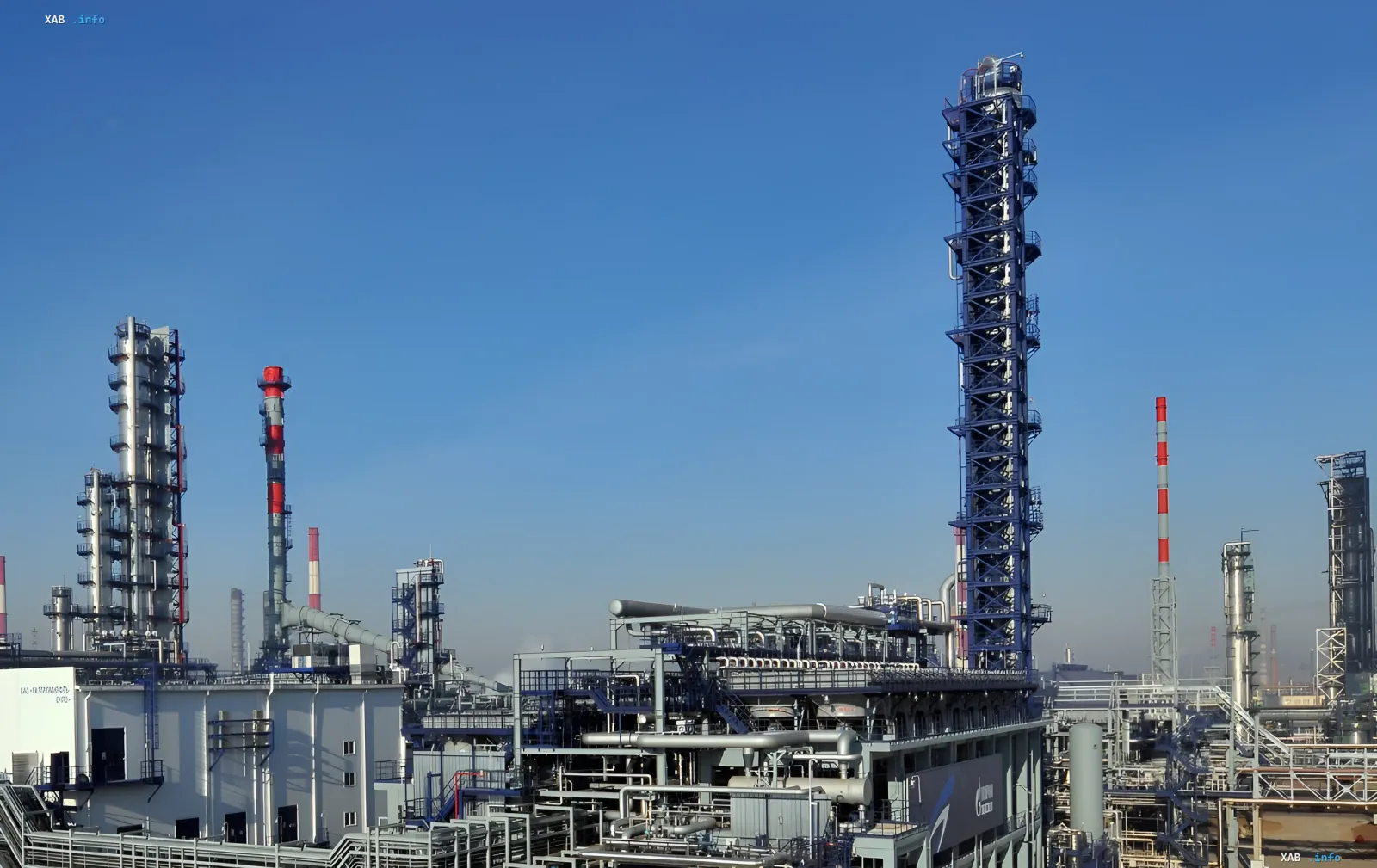
Ukrainian unmanned aerial vehicles have carried out a successful attack on the Omsk Oil Refinery, which is the largest petroleum processing enterprise in the Russian Federation. A fire broke out at the facility immediately following a series of explosions and targeted drone strikes, a fact confirmed by both Ukrainian sources and monitoring channels.
Scale and Strategic Importance of the Facility
The Omsk refinery boasts a massive processing capacity exceeding 21 million tons of crude oil annually. The enterprise also features one of the highest conversion depth rates in the country, reaching approximately 99 percent. The plant plays a critical role in supplying fuel and lubricants to the Russian military contingent, producing a wide range of products from aviation kerosene and diesel fuel to high-octane gasolines and specialized lubricants.
Attack Details and Statements from Parties
Reports of the strike were first circulated by specialized monitoring channels and news agencies citing a statement from Fire Point on Telegram, which published a concise question: «Omsk, missed FP-1?». The Defense Forces of Ukraine continue their systematic destruction of the logistics and fuel infrastructure that supports the occupation army's needs. It is worth noting that this is far from the first attack on this strategic asset, as the facility was previously targeted by raids in July.
Contradictory Data
While Ukrainian specialized resources and independent Telegram channels report severe damage to the refinery's infrastructure and a large-scale fire, Russian regional and federal media outlets prefer to minimize the extent of the damage. Local authorities and emergency services traditionally claim successful air defense operations and minor fires from falling debris, yet subsequent changes in regional fuel supply logistics indirectly confirm the severity of the sustained damage.
Consequences for Logistics and the Fuel Market
Experts note that disabling or even temporarily halting the capacity of the Omsk refinery inevitably leads to severe disruptions in fuel supply logistics for both military units and the civilian sector in remote regions of the Russian Federation. Adjustments to supply routes for gas stations had already been recorded earlier, indicating a systemic crisis in the aggressor state's fuel infrastructure resulting from regular drone attacks.