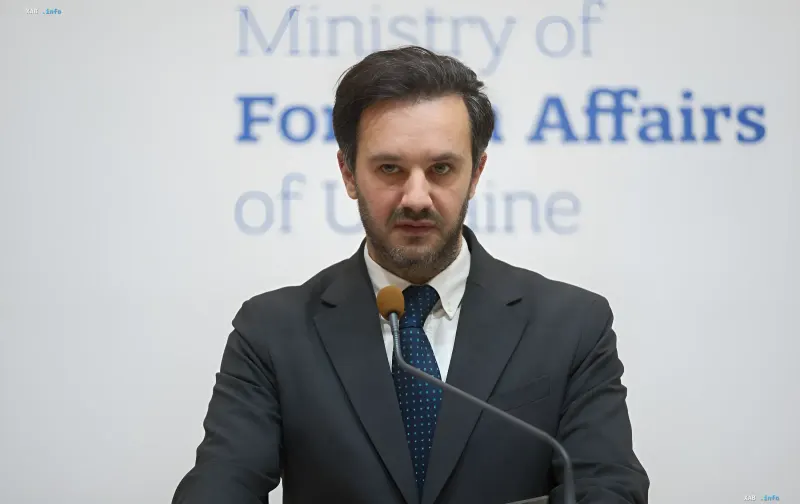
The Ministry of Foreign Affairs of Ukraine has officially commented on Libya's demands for explanations regarding the incident in the port of Benghazi, where Ukrainian naval drones struck the Russian corvette Mercury. MFA spokesperson Heorhiy Tykhyi told journalists that Kyiv acts exclusively within the framework of the inherent right to self-defense enshrined in Article 51 of the UN Charter, and that Ukraine "does not drag anyone into the war and does not transfer it anywhere." According to him, all strikes are directed solely against the aggressor, and not against third parties.
Self-Defense and the List of Legitimate Targets
Tykhyi explained that Ukraine has every right to strike legitimate military targets, which, according to its list, include Russian warships, cargo vessels carrying military equipment and resources, and tankers of the so-called "shadow fleet" supporting Russia's war machine. The ministry representative emphasized that Kyiv's actions "comply with international law and international humanitarian law," and that during their execution, the principles of proportionality and minimization of collateral risks are observed. He also noted that international law does not limit the right to self-defense geographically — the response to aggression can be carried out on the territory of the attacking state, in international waters, and in other places.
The Question of Sovereignty and "Russian Presence"
Responding to Tripoli's claims, Tykhyi redirected the question regarding "incidents in ports" toward Russia, which, according to him, uses the civilian infrastructure of third countries for military purposes and exposes it to danger. "The threat to Libya was created precisely by Russian warships and Russian arms carriers that regularly arrive there," the spokesperson stated, adding that the Russian presence "always means a threat of sovereignty, destabilization, and chaos." At the same time, he emphasized that Ukraine respects the sovereignty and territorial integrity of Libya, does not pursue the goal of harming it or its people, and is interested in the further development of bilateral cooperation.
Context: The November 22 Strike
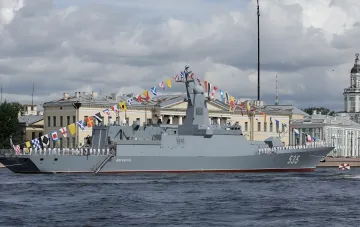
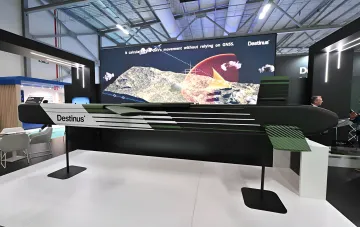
A reminder of the events that triggered the diplomatic exchange is provided by the chronology: at dawn on November 22, the Russian corvette Mercury was attacked in the port of Benghazi. According to Al Jazeera, the ship was transporting weapons, and among the dead are citizens of Libya and Russia. President of Ukraine Volodymyr Zelenskyy confirmed the hitting of the corvette by Ukrainian naval drones, and the SBU specified that seven Ukrainian-made drones were used in the operation.
Reaction of Moscow and Tripoli
The Kremlin reacted restrainedly to the destruction of the ship: Presidential spokesperson Dmitry Peskov stated that Moscow "took note" of Zelenskyy's statement, and redirected the question about the strike to the Russian Ministry of Defense. The Russian MFA, in turn, stated that Russian territory was not used to launch the drones. The Libyan foreign policy department had previously condemned any foreign military operations on its territory and in territorial waters, announced that it awaits official explanations from Kyiv, and promised to take diplomatic and legal decisions based on the investigation. It is precisely these demands that MFA spokesperson Heorhiy Tykhyi responded to.