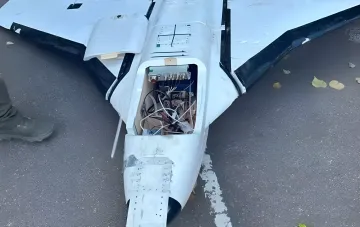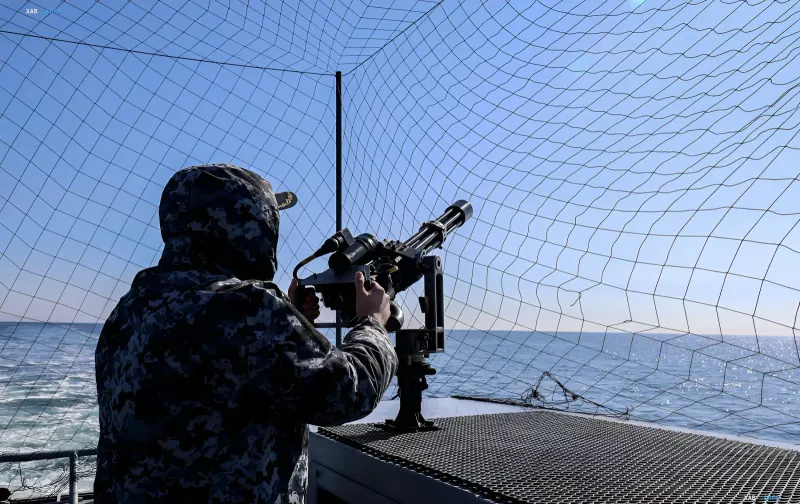
On August 8, 2026, the Naval Forces of the Armed Forces of Ukraine (Ukrainian Navy) reported a successful operation to destroy Russian assets on the 'Sivash' drilling rig. The incident occurred in the Black Sea, where the Russian side was using the infrastructure to wage war against southern regions of Ukraine. According to the Navy, the rig was located on the Golitsyn gas condensate field and served as a critical element in the system for controlling Russian strike drones.
The Role of the Drilling Rig in the Russian Drone Control System
The 'Sivash' drilling rig was not just an industrial object but a strategic hub for the Russian military. It housed equipment designed for controlling strike drones, as well as for guiding and correcting strikes on southern Ukrainian cities. This allowed Russia to effectively coordinate attacks using unmanned systems, creating a serious threat to the infrastructure and population of coastal regions.
Reconnaissance Functions and Countermeasures Against Ukrainian Drones
Furthermore, reconnaissance assets were based on the rig, helping Russian forces detect the movement of Ukrainian drones and unmanned boats (UBs). This allowed them to take preventive measures and reduce the effectiveness of Ukrainian attacks. Additionally, elite Russian special forces units equipped with portable missile systems and other equipment designed to counter Ukrainian unmanned systems were stationed on 'Sivash'.
Consequences of the Strike on Russian Military Capabilities
The destruction of assets on the 'Sivash' drilling rig dealt a significant blow to Russian military capabilities in the Black Sea. The loss of key control and reconnaissance nodes weakened Russia's ability to coordinate drone attacks and effectively counter Ukrainian unmanned systems. This could lead to a decrease in the intensity of Russian attacks on southern regions of Ukraine and a strengthening of the Ukrainian Navy's positions in the region.
Contradictory Data
While the Ukrainian Navy provided detailed information about the operation, there are some discrepancies in the data. For example, some sources indicate that the drilling rig might have been used not only for drone control but also for other military purposes, such as housing radar or communication systems. Additionally, the exact amount of destroyed equipment and machinery remains a subject of discussion, as different sources cite varying figures.
Context of Current Events
This operation takes place against the backdrop of ongoing hostilities in the Black Sea. Previously, on the night of August 8, Ukrainian drones struck the Ilsky Refinery in the Krasnodar Krai and the Syzran Refinery in the Samara region. Also, over the past week, drones of the Security Service of Ukraine (SBU) struck another 12 vessels of Russia's 'shadow fleet' in the Black and Azov Seas. These events testify to the growing effectiveness of Ukrainian unmanned systems and their ability to strike important targets deep within Russian territory.