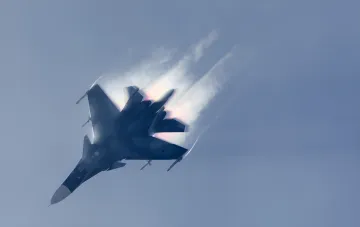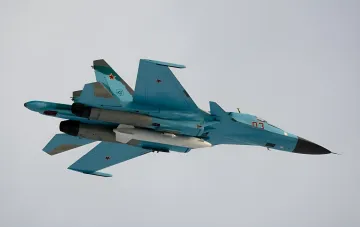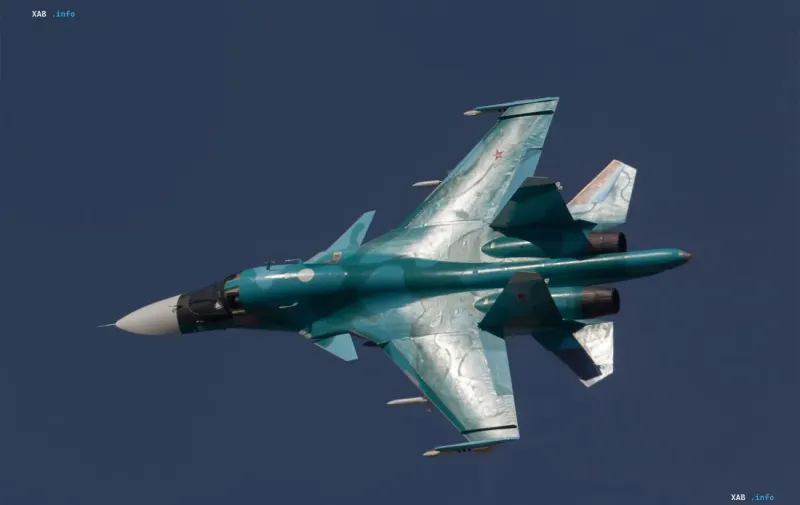
On the night of October 15, the Navy of the Armed Forces of Ukraine carried out a successful and large-scale operation, striking the Borisoglebsk military airfield in the Voronezh Region of the Russian Federation. As a result of the missile strike, six advanced frontline Su-34M bombers, which were actively used to launch attacks on Ukrainian positions and frontline settlements, were destroyed.
Operation Details and Deployment of the Neptune System
According to official information from the Ukrainian Navy command, the Ukrainian coastal missile system Neptune was deployed to strike the strategically important enemy target. This operation demonstrates the growing capabilities of Ukraine's long-range weaponry, capable of effectively hitting stationary protected targets deep within enemy territory while overcoming air defense systems.
Scale of Destruction and Collateral Losses
In addition to the Su-34M combat aircraft themselves, the precise missile impact completely destroyed critical ground equipment that ensured the organization and safety of enemy aviation flights. Powerful secondary detonations and large-scale fires were recorded on the airfield grounds immediately after the strikes, confirming the high effectiveness of the weapons used and the presence of significant aviation munitions reserves at the base's depots.
Significance of the Bombers' Destruction for the Frontline
The destruction of six Su-34M modification aircraft is of colossal importance for reducing the combat potential of Russian tactical aviation. These aircraft are capable of carrying heavy guided and high-explosive aerial bombs with correction modules, as well as a wide range of missile weaponry. The elimination of such valuable assets will significantly limit the enemy's ability to use gliding bombs and ease pressure on Ukrainian defense lines.
Contradictory Data
While the Ukrainian side confidently asserts the destruction of six Su-34M bombers and related infrastructure in Borisoglebsk based on Navy data, Russian official agencies traditionally refrain from acknowledging large-scale equipment losses, claiming instead successful air defense operations and the falling of mere debris. Nevertheless, satellite imagery and data from independent monitoring channels continue to record traces of a powerful fire at the facility.
Expert Assessments and Consequences
Military analysts note that the successful use of Neptune against ground targets highlights the evolution of Ukrainian defense forces' tactics. Using anti-ship systems for airfield strikes expands the nomenclature of effective destruction means. This event also occurs against the backdrop of ongoing discussions regarding Western support, including recent publications in the American press about potential allied disagreements over the tactics of striking strategic targets inside Russia.