On the night and morning of November 20, Russia launched a massive drone and missile strike across Ukraine, involving various types of weapons, including ballistic missiles. As a result, key energy infrastructure facilities—power plants, transmission substations, and electricity distribution systems—were hit. This was announced during a briefing on the operational situation in the power grid by Artem Nekrasov, First Deputy Minister of Energy of Ukraine. According to him, nuclear power plants were forced to reduce their generation capacity, and the return to a normal operating scheme will happen gradually after the damaged networks are repaired.
What Happened to the Power Grid
As of the morning of November 20, according to the deputy minister, a portion of consumers in Kyiv, as well as in Vinnytsia, Dnipropetrovsk, Donetsk, Zaporizhzhia, Kirovohrad, Odesa, Kharkiv, Kherson, Cherkasy, and Chernihiv oblasts, remained without electricity. To stabilize the power grid, emergency shutdowns were applied in Kyiv, Lviv, Zakarpattia, Dnipropetrovsk, Poltava, Kharkiv, and Ivano-Frankivsk oblasts. Nekrasov emphasized that a return to predictable electricity supply schedules will occur once the situation in the power grid stabilizes.
Situation at Nuclear Power Plants
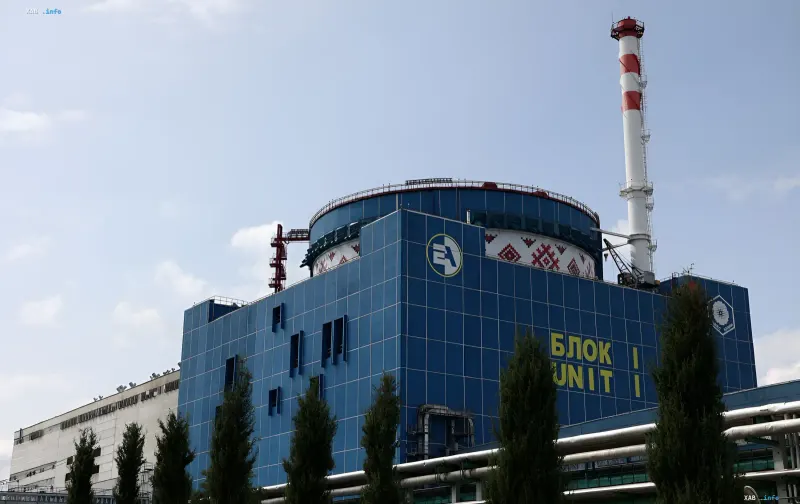
Ukraine's nuclear power plants, as the first deputy minister noted, reduced generation capacity out of necessity—a standard protective measure associated with disruptions in power system parameters caused by infrastructure strikes. The photo shows the reactor block building of one of Ukraine's NPPs with its characteristic red-and-white exhaust stack; such facilities, according to the Ministry of Energy, continue to operate in a reduced mode. The return to nominal generation figures, the agency stated, will take place in stages and only after energy workers restore the networks damaged by shelling.
Air Defense Data and Strike Consequences
According to information presented at the briefing, air defense forces shot down 462 enemy air targets during the night of November 20. At the same time, impacts by missiles and attack drones were recorded at 23 locations, and falling debris from intercepted targets was noted at 10 locations. It was these strikes on energy facilities that caused the forced reduction in NPP power and emergency outages across a number of regions.
Restoration and Risks of Repeated Attacks
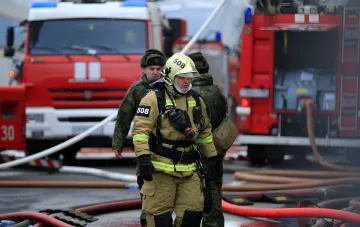
Energy workers have already begun repair work wherever the security situation permits. However, as Nekrasov pointed out, the process is being slowed down by frequent air raid alerts: according to him, Russian troops are repeatedly striking facilities that have already been repaired. The ministry emphasizes that attacks on energy infrastructure continue, and restoration is taking place under conditions of limited crew access to damaged network segments.