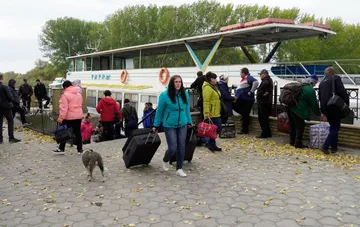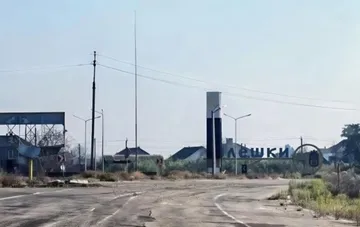
The Office of the Ukrainian Parliament Commissioner for Human Rights has announced preparations for a large-scale humanitarian mission to the occupied town of Oleshky in the Kherson region. The initiative aims to provide assistance to local residents remaining in the disaster zone and is being implemented in close coordination with international partners and relevant agencies.
Mission Preparation and International Assistance
According to Ukrainian Parliament Commissioner for Human Rights Dmytro Lubinets, the planned humanitarian action is being organized jointly with Russia's Human Rights Commissioner Yana Lantratova. Saving citizens and creating the necessary safe conditions for this have been made possible through the mediation of United States First Lady Melania Trump. Lubinets expressed sincere gratitude to the American side for its humane stance, which helps save people.
Data Collection and Priority Categories of Citizens
Currently, the Ombudsman's Office staff are actively collecting information about residents who continue to stay in the town and are in urgent need of support. Priority is given to elderly citizens, individuals with limited mobility, and those who cannot look after themselves. Citizens and their relatives are urged to promptly transmit data through specialized communication channels.
Communication Channels and Practical Assistance
To receive applications, telephone lines are open in popular messengers WhatsApp, Viber, and Telegram at +38 067 717 51 70 and +38 073 719 81 34, and an electronic office is operating on the official website of the Ombudsman's Office. Earlier, the Ukrainian military delivered about four tons of food and medicines to Oleshky using a complex drone-assisted operation.
Significance of the Mission and Prospects
It is expected that the steps being taken will systematically support vulnerable segments of the population in Oleshky. In addition, the negotiation groups of Ukraine and Russia have agreed on the introduction of a ceasefire in the city, which will take effect on October 27, creating the necessary conditions for the safe implementation of humanitarian initiatives.