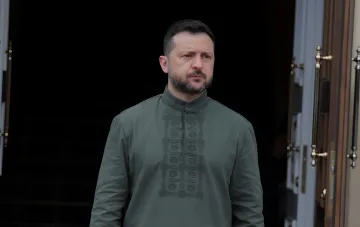
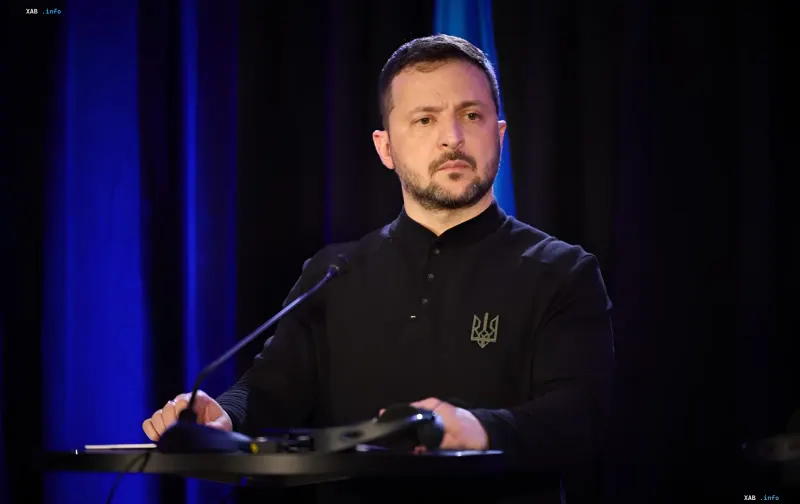
Ukrainian pilots will soon begin practical training on French fourth-generation multirole fighter jets, the Dassault Rafale. This was announced by Ukrainian President Volodymyr Zelenskyy following a telephone conversation with French leader Emmanuel Macron, emphasizing the critical importance of this step for strengthening national combat aviation amid ongoing Russian terrorist escalation.
A new phase of military cooperation with Paris
The leaders of the two states discussed the current needs of the Ukrainian defense forces for airspace protection and the preparation of new defense supplies. The President of Ukraine expressed hope that the next aid package would arrive in the country in the very near future. In addition to training flight personnel, specialized teams from Ukraine and France are actively working on localizing the joint production of French aviation bombs and missiles directly on Ukrainian territory.Strategic contracts and the FREYJA system
It is worth recalling that the legal framework for large-scale rearmament was laid out gradually: back in November 2025, the presidents signed a framework agreement on defense equipment, and in July 2026, the parties formalized a contract for the sale of the first batch of 16 Rafale fighters, with delivery expected in 2028-2029. In parallel, Paris and Kyiv are working on deploying the advanced European anti-ballistic system FREYJA, the parameters of which the parties agreed to discuss in detail during an upcoming face-to-face meeting.Contradictory data
Despite the overall momentum in strengthening military-technical cooperation, public discussions periodically arise regarding the delivery timelines of the aircraft themselves and the pace of infrastructure preparation. While official statements from Paris, represented by Minister Delegate for European Affairs Benjamin Haddad and President Emmanuel Macron, confirm the immediate start of pilot training prior to the future transfer of the fighters, skeptics point out the technical complexity of integrating NATO-standard aircraft and the need for large-scale restructuring of ground bases, which could shift actual combat missions to a later period.