The Ukrainian retail sector closed the first half of 2026 with notable revenue growth, although the profitability structure within the industry has become less even. According to the analytical platform OpenDataBot, which analyzed 2,073 companies that filed financial reports for both the first half of 2025 and the same period in 2026, the combined revenue of the comparable group of retailers increased by 18% — from 692.29 billion UAH to 817.14 billion UAH. At the same time, more than 60% of companies (1,272 out of 2,073, or 61%) ended the period in the black, and the group's total profit grew by 17% — from 14.91 billion UAH to 17.44 billion UAH.
The Market Expands for the Fifth Consecutive Year
As of mid-August 2026, 41,235 companies operate in the retail trade sector in Ukraine. The number of retailers has been growing for five consecutive years: since the beginning of 2026, 796 more new companies have entered the industry than have ceased operations. A total of 969 new retail companies were registered over the year — 32% more than in the same period of 2025, while the number of businesses that stopped operating remained virtually unchanged. This indicates that the sector continues to attract new players even amid macroeconomic uncertainty.
ATB-Market Holds First Place in Revenue
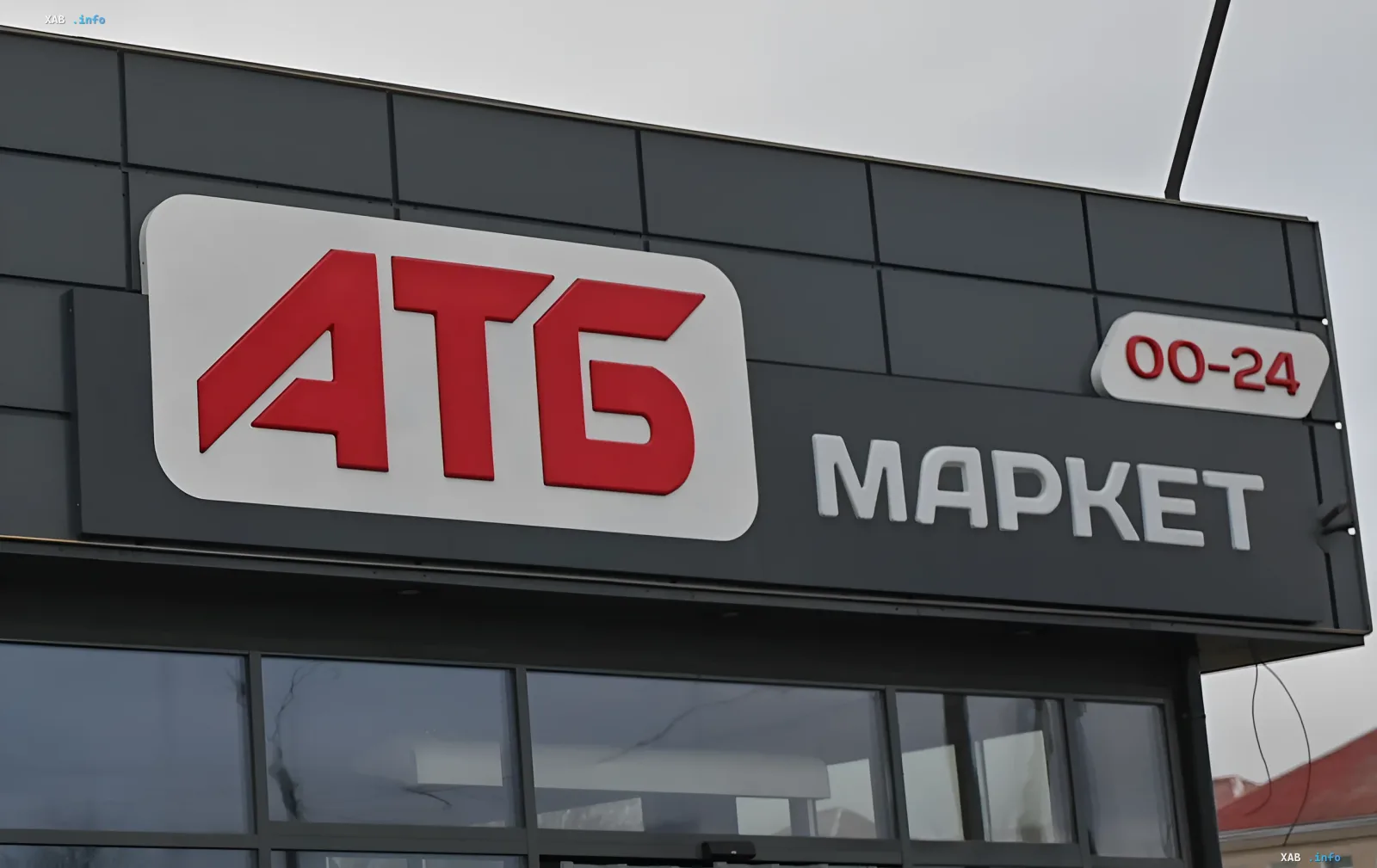
The largest retailer in the country by revenue in the first half of 2026 was ATB-Market, which earned 135.99 billion UAH compared with 117.15 billion UAH a year earlier. This chain increased its figure the most in monetary terms — by 18.84 billion UAH, or 16%. Second place went to Silpo-Food with revenue of 59.55 billion UAH (+9.16 billion UAH year-on-year), while third place was taken by Vygodna Pokupka, which operates the Aurora chain, with revenue of 28.26 billion UAH (+6.52 billion UAH). The Fora chain also showed significant growth — by 6.1 billion UAH. Overall, revenue increased at 1,169 companies, while it declined at 702 businesses.
Profit Is Growing, but Fewer Companies Are Profitable
Despite the group's total profit growing by 17%, the number of companies that ended the first half in the black declined: if in 2025 there were 1,354 profitable companies (65% of the comparable group), then in 2026 there were 1,272 (61%). In other words, around 40% of the retailers in the analyzed sample still failed to turn a profit. This indicates that revenue and profit growth is largely concentrated in the hands of large chains, while small and medium retail faces pressure from rising costs and competition.
Contradictory Data
The positive first-half figures come with an important caveat that partially contradicts the optimistic picture. OpenDataBot emphasized that the reported data covers only the first two quarters of the year — that is, the period before the mass attacks on the distribution networks and logistics assets of Ukrainian companies. According to analysts' estimates, the consequences of these strikes may already be reflected in the retailers' next financial reports. Thus, the current record revenue and profit figures may turn out to be the "last calm" snapshot, and the dynamics of the second half of 2026 will most likely be different. The gap between "growth on paper" in the first half and the expected deterioration of operating conditions in the second half is the key contradiction to bear in mind when interpreting the data.
What This Means for the Industry
Taken together, the data show a stable but polarizing market: large chains are expanding their share and revenue, the market as a whole is growing, yet the share of profitable companies is falling, and external risks to logistics are rising. For investors and analysts, the key indicator will be the second-half 2026 reporting, which will for the first time fully reflect the impact of the strikes on infrastructure. For now, the formal first-half figures record a record level of revenue and profit for the industry.