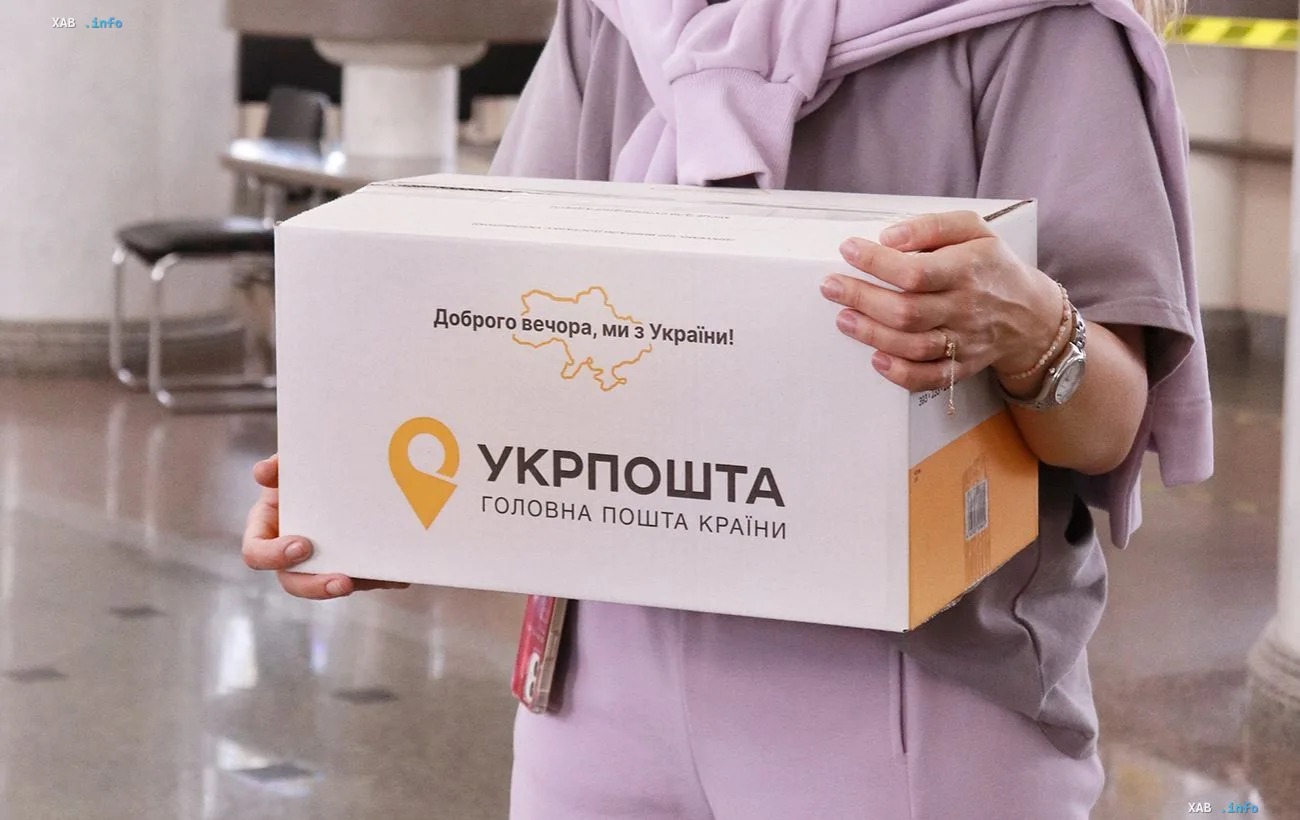
From September 23, 2026, Ukrposhta has fundamentally revised the customer service procedure in urban branches across the country. As the company’s CEO, Ihor Smylianskyi, announced in his Telegram channel, the acceptance and collection of parcels have now been given absolute priority: accepting a shipment is the first priority, and collection is the second. This means that customers arriving with a parcel are served outside the general queue, while financial operations — pension payments, bill payments — remain in the general flow. According to Smylianskyi, such operations can be calmly completed after the end of the air raid alert on the same day, since Ukrposhta’s servers are protected and do not depend on the customer’s physical presence at the branch at a specific moment.
Why now: the logic of the “iron rule”
The main reason for the new measure is the chronic air raid alerts, which shorten the actual operating hours of the branches. Smylianskyi gave a clear example: for a parcel sent from Kyiv to arrive in Odesa the next day, it must be handed over to the branch no later than 22:00. By that time, the postman must have collected the shipment, transported it to the sorting center, sorted it, and loaded it onto transport. If a customer is standing in the queue at 15:55 and an air raid alert is declared at 16:00, lasting until 18:00, a parcel accepted only after operations resume will depart the following day. If it was accepted before the alert was announced, it will continue moving on schedule. It is precisely this “loss” of one logistics cycle that the company is trying to minimize by moving parcels into a separate queue.
What changes for customers in practice
From today, more than 90% of urban branches with more than one service window are switching to the new procedure. In the so-called “Express window,” priority will be given specifically to parcel operations. At the same time, the rules for branch operations during a “yellow” or “red” air raid alert remain unchanged: in the event of a threat, staff and customers are still advised to move to a shelter, and postal, financial, and social services are provided as usual. The company has also announced the launch of self-service stations and an increase in the number of parcel lockers, which over time should relieve some of the pressure on the queues.
Compensation and risks for shipments
Separately, Smylianskyi emphasized that Ukrposhta fully reimburses customers for the value of parcels in the event of their loss due to shelling. However, as the CEO noted, money does not always replace the contents of a shipment, especially when it comes to personal belongings, documents, or gifts. That is why, according to the management’s logic, it is critically important to shorten the time during which shipments physically remain in the branches — especially during periods of shelling, when the building may be damaged.
Context: operating schedules remain untouched for now
Earlier, RBC-Ukraine reported that Ukrposhta is not changing the operating schedules of its branches in connection with the new rules for dividing air raid alerts. In other words, the official hours of operation remain the same, but within those hours the priorities have been redistributed. The new procedure is, in essence, an operational adaptation to conditions in which the branch’s operating time is unpredictably shortened by alerts, while the logistics chain “branch — sorting — transport” cannot tolerate even a delay of a few hours.