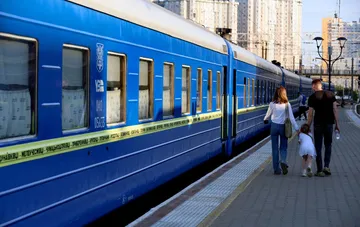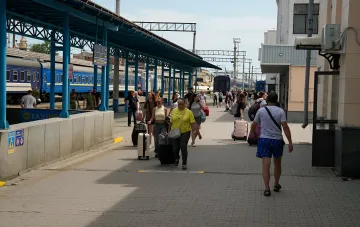
A train operating on the Lviv-Chernivtsi route resumed movement immediately after an air raid alert ended, leaving 25 passengers stranded in the middle of an open field. People were forced to leave the carriages due to an immediate shelling threat, but the train departed along its route without waiting for the citizens to return.
Ombudsman's Reaction and Official Investigation
Verkhovna Rada Commissioner for Human Rights Dmytro Lubinets publicly responded to the incident, drawing attention to the unacceptability of such logistical failures. The ombudsman emphasized that during wartime, railway transport operates in extremely difficult circumstances, but the coordination of personnel actions must remain flawless. Passengers who relied on a stable schedule and transfers faced serious difficulties due to ordinary carelessness.
In connection with the incident, Dmytro Lubinets sent an official appeal to the management of Ukrzaliznytsia. In the request, the ombudsman demands a detailed explanation of the circumstances of the incident and guarantees that all 25 stranded citizens were promptly delivered to their final destinations. The issue of revising internal security and control regulations during alerts is also being raised.
Difficult Working Conditions of Ukrainian Railways
This incident occurred against the backdrop of regular attacks on Ukraine's transport infrastructure. On the night of October 14, Russian troops launched a large-scale strike on railway facilities in several regions, which led to the temporary blocking of traffic in key directions and serious schedule disruptions.
In addition to external threats, the transport system faces internal problems and emergency situations. In particular, on October 9, a train collision occurred in Lviv, injuring 11 people, including a minor teenager. Law enforcement agencies are continuing an official investigation into the causes of the incident.
Significance of the Incident and Need for Systemic Changes
The case of the abandoned passengers demonstrates an urgent need to improve safety protocols and the interaction of train crews with passengers in crisis situations. The reliability and coordination of the carrier's actions determine not only compliance with schedules, but also the safety of thousands of people who daily use long-distance services under constant threats.