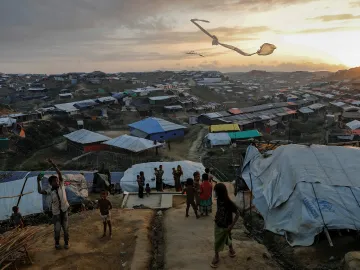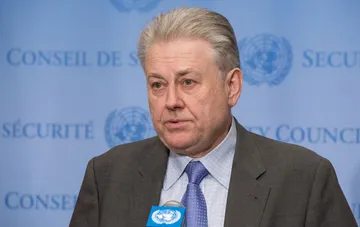
On November 19, the International Court of Justice (ICJ) in The Hague delivered a landmark ruling in one of the most high-profile cases in the history of international justice, finding Myanmar guilty of the genocide of the Rohingya people. The resolution was adopted by a majority vote — nine of the fifteen judges supported the finding of genocide, while six voted against it. Announcing the decision, Court President Yuji Iwasawa stated that Myanmar had "committed genocide against the Rohingya group in the north of Rakhine State," violating obligations under the Convention on the Prevention and Punishment of the Crime of Genocide.
What the Court Established
The judges deemed it proven that during the so-called "clearance operations" in 2017, Myanmar's security forces killed thousands of Rohingya civilians, committed widespread acts of sexual violence, and showed extreme cruelty toward children, including attacking those attempting to flee en masse to Bangladesh. According to UN estimates, at least 10,000 people died as a result of these events, and at least 700,000 were forced to flee the country and cross into neighboring Bangladesh. The court concluded that "the only reasonable inference that accounts for Myanmar's actions is the intent to destroy a significant part of the Rohingya people."
Myanmar's Position
Throughout the proceedings, Myanmar consistently denied the accusations of genocide. According to country representatives, its army was merely responding to attacks by armed groups and acting within the framework of counter-terrorism operations. The court, however, rejected this argumentation, recognizing that the nature and scale of the actions — mass killings, numerous rapes, and the destruction of hundreds of populated villages — went far beyond retaliatory measures and met the legal definition of genocide.
Why The Gambia Brought the Case
The Gambia filed the lawsuit against Myanmar at the ICJ, explaining its position that the violation of the Genocide Convention affects the interests of the entire global community, including the applicant state as a member of the international legal system. The court considered this argumentation well-founded and recognized The Gambia's standing to file the suit. The actual hearings in The Hague began in January 2026, although the lawsuit was originally filed in November 2019.
Why the Ruling is Unprecedented
This is the first time in the history of the International Court of Justice that responsibility for genocide has been assigned to a state as an institution. Until now, only specific individuals had been found guilty of this crime. According to Reuters, since the Holocaust, this is only the fourth time that an international court has ruled that the legal threshold for proving genocide has been met. The court also ordered Myanmar to take measures to provide reparations to victims and facilitate their return.
Implications Beyond Myanmar
As Reuters notes, the ruling in the Myanmar case could have consequences far beyond the country — including in the consideration of another case in which Israel is accused of genocide in the Gaza Strip. That case was initiated by South Africa in 2023. The precedent of holding a state accountable for genocide establishes a new legal practice that parties in future disputes will take into account when building their arguments.