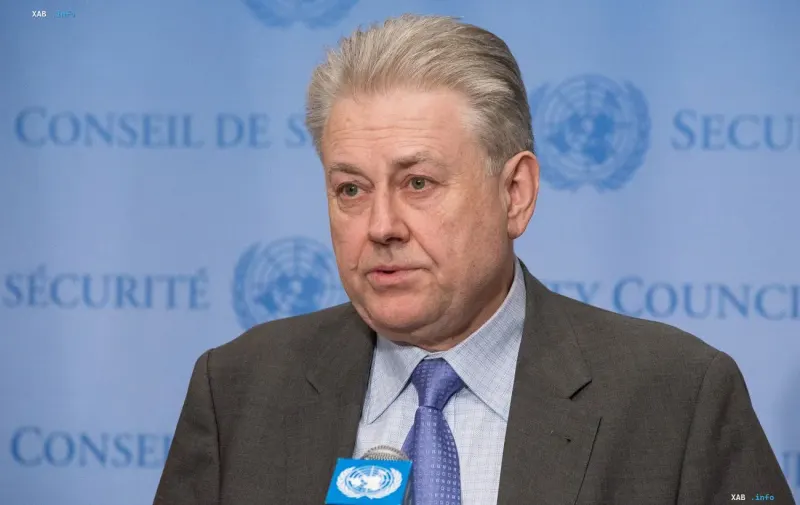
Ukraine and its international allies have launched practical efforts to freeze the powers of the Russian Federation delegation in the UN General Assembly. According to former Ukrainian Ambassador to the US and the UN Volodymyr Yelchenko, if successful, this step will automatically suspend the activities of Russian representatives in the UN Security Council as well.
Mechanisms and Historical Precedents
According to the Ukrainian diplomat, completely expelling Russia from the United Nations currently appears politically unrealistic, but temporarily restricting its rights is entirely feasible. International practice already contains similar precedents, including the situation with South Africa during the apartheid era. Additionally, in 1956, following the Soviet military intervention in Budapest, the credentials of the Hungarian delegation were frozen for nearly three years. Implementing such a scenario would strip Russian representatives of the ability to officially participate in meetings of key UN bodies.
Diplomatic Campaign and the Role of the Pylyp Orlyk Foundation
To launch this mechanism, an official letter must be submitted on behalf of Ukraine or a group of partner states demanding that the credentials of the Russian delegation be unrecognized and that the issue be included on the agenda. Volodymyr Yelchenko noted that the Pylyp Orlyk Foundation is currently working actively to build such a coalition. Foundation representatives are already conducting trips and negotiations at governmental, parliamentary, and public levels to secure support from foreign states.
Legal Grounds and Procedural Issues
The former ambassador emphasizes that the initiators rely not only on Russia's status as an aggressor state, but also on procedural violations in 1991, when Moscow took a seat at the UN bypassing established statutory regulations. According to international lawyers, this argument creates serious legal grounds for revising the status of the Russian delegation. The very preparation of this initiative is already drawing the international diplomatic community's attention back to a problem that had long remained outside active global discussion.
Significance of the Initiative and International Response
Advancing the issue of freezing Russia's powers could dramatically alter the balance of power at key UN platforms and establish a serious precedent in international law. Although many foreign diplomats admit they had not previously considered this possibility in practical terms, the renewal of discussions brings the problem of the legitimacy of Russia's presence in the organization back into the focus of the global agenda.