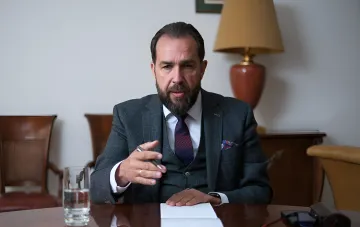

The United Nations High Commissioner for Refugees (UNHCR) has issued a dire warning that a worsening financial crisis could leave nearly 8.3 million refugees and displaced persons without critical aid this year, pushing global protection systems to the brink of collapse. The agency has faced unprecedented challenges following massive cuts in financial support from the United States and several other major donor nations, resulting in a colossal funding deficit.
Scale of the Budget Deficit and Record Surge in Displacement
According to the organization's newly released 26-page report, UNHCR is facing an acute funding shortfall of $5.7 billion. Agency funding plummeted by 24% between 2024 and 2025. As of July, the organization had received only 32% of the $8.5 billion required for 2026. Meanwhile, the total number of displaced persons and stateless people worldwide remains near record highs, with the number of people in need projected to reach 131.2 million by the end of this year, up from 129.4 million at the end of 2025.
Regional Impact of the Crisis: From Chad to Afghanistan
The financial disaster has already impacted the lives of millions of people in the world's most vulnerable regions. In Chad, which has hosted refugee flows from the conflict-torn Sudan, approximately 319,000 people are facing critical delays in official registration, and about 200,000 women and girls may lose access to safe spaces. In Sudan itself, experiencing the world's worst migration crisis, about 140,000 refugees have been left without documents due to the suspension of registration services. In Afghanistan, repatriation grants were slashed by more than half, from $375 to $170 per person.
Contradictory Data
Against the backdrop of official UNHCR reports on a catastrophic lack of funds due to cuts in donor contributions, international media have reported on additional political factors. Specifically, Reuters pointed to tensions between UNHCR leadership and the United States, which, amid disagreements over personnel issues, considered reviewing its participation in the agency's structures. Nevertheless, independent experts agree that the core cause of the crisis remains the general reduction of humanitarian budgets by major powers.
Austerity Measures and the Threat of Protection System Collapse
UNHCR leadership emphasizes that further spending cuts can no longer compensate for the resulting deficit. The agency has previously been forced to take radical steps: by 2025, staff headcount was reduced by 33%, offices were closed in 140 locations worldwide, and operations were completely halted in 15 countries. Experts warn that further weakening of the agency's mandate will leave millions of vulnerable people, including victims of violence and undocumented refugees, face-to-face with a humanitarian disaster.