The UN spokesperson, head of the United Nations Development Programme (UNDP), Alexander De Croo, stated while in Ukraine that the country is entering the winter period "from a very weak base" and that the coming winter will be "the hardest since the start of Russia's full-scale invasion." According to him, the UN is "very, very concerned" about what this heating season could mean for the civilian population. De Croo — the third-highest-ranking official in the UN — warned in an interview with the BBC of the risk of a "humanitarian catastrophe" if Russian strikes continue to cut people off from electricity and water supply.
Systematic Strikes on Energy Infrastructure
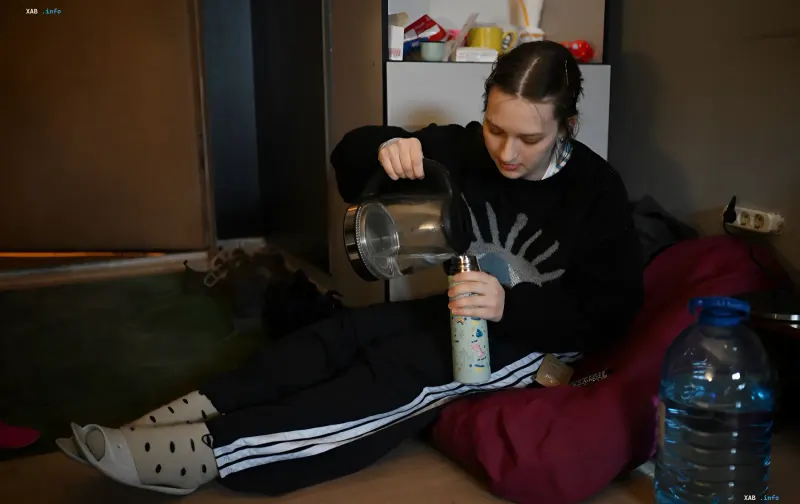
In De Croo's assessment, Russia is carrying out "very systematic" strikes on Ukraine's civilian and energy infrastructure: gas stations, shopping and business centers are under attack, and above all — energy facilities and power lines. "There is no justification for this," the UN representative emphasized. He described the worst-case scenario: with winter temperatures in Ukraine that can drop to −20 °C, people will be unable to heat their homes, and water supply and sewage systems will cease to function. "At such temperatures, this will lead to circumstances that will be very close to a humanitarian catastrophe," De Croo stated. According to him, there is now a "race against time" to repair the power grid before the onset of sustained cold.
Escalation of Strikes and Specific Incidents
In recent months, both sides of the conflict have intensified their airstrikes. Russia, according to UN data, has begun using faster jet-powered drones that are harder to intercept; they are attacking in mass, in particular Kyiv, hitting business facilities, warehouses, factories, gas stations, and energy infrastructure. Ukraine, for its part, continues to strike deep into Russian territory — primarily targeting gas, oil, and distribution infrastructure. Both sides deny deliberate strikes on civilian objects. This week, a daytime Russian drone strike on a shopping center in Pavlohrad, Dnipropetrovsk Oblast, killed five people and injured 67 others. Earlier that same week, Russian aviation attacked shopping centers in Zaporizhzhia and Sumy — two people were killed and 28 injured. Russia, in turn, reported an attack by a Ukrainian maritime drone on the resort city of Sochi in the night into Wednesday: 28 injured, and three killed as a result of other Ukrainian strikes. Two people were killed when Russian drones hit a border crossing point on the Ukraine–Moldova border — a country that, by observation, is increasingly being drawn into the conflict.
A Nearly Impossible Task: Reconstruction Under Fire
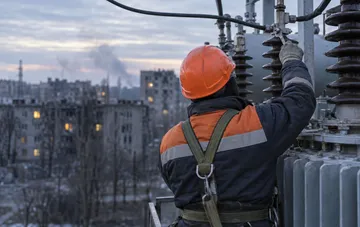
As part of Ukraine's preparation for winter, the UN Development Programme is helping to restore parts of the energy system damaged last winter, as well as to deploy more resilient and decentralized power stations that are less vulnerable to strikes. De Croo characterized carrying out this work as a "nearly impossible task": "They are rebuilding these facilities under constant air-raid alerts. And they know they are working on a facility that is a target. So part of the day it is simply impossible to work, because it is too dangerous," he explained.
Kyiv's Position: Preparedness and an Appeal to Partners
Ukrainian Prime Minister Serhiy Kyrychenko had earlier stated that the winter would be tough, but that the country is better prepared than last year, while acknowledging that it would not be possible to protect all energy facilities from strikes. Last week, President Volodymyr Zelenskyy stated that the war with Russia will most likely continue this winter as well, and called on international partners to help Ukraine prepare for the challenges ahead. At the end of August, Zelenskyy put into effect resilience plans for Ukraine's regions — a package of measures designed to help get through the heating season amid ongoing Russian aggression. Lethal attacks by both sides resumed after US President Donald Trump sent special envoys to negotiations over the weekend — to Putin in Moscow and to Zelenskyy in Kyiv.