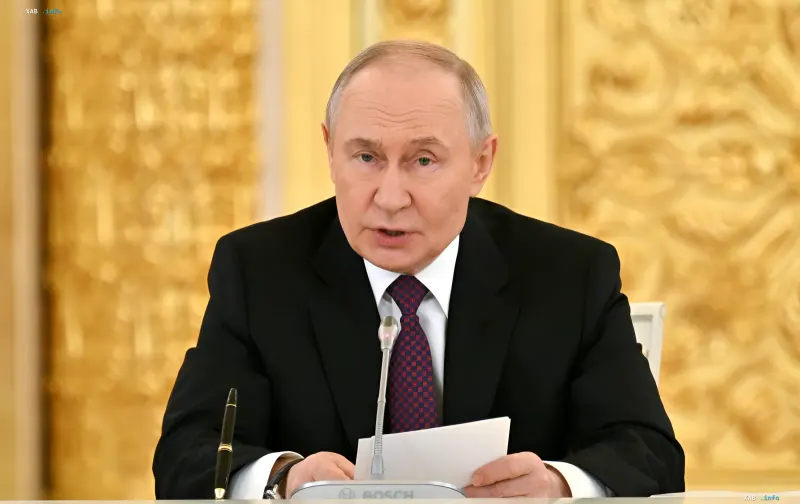
The Independent International Commission of Inquiry on Ukraine, in its report, has classified systematic Russian attacks on Ukraine's energy infrastructure as war crimes. This was reported by RBC-Ukraine, citing a document obtained by CNN. The commission explicitly stated that the highest leadership of the aggressor state, primarily Russian President Vladimir Putin, bears the ultimate responsibility for the strikes on civilian infrastructure. According to the investigators' assessment, the attacks were intentional and aligned with state policy aimed at depriving Ukraine's civilian population of essential energy resources and inflicting suffering upon them.
Intentionality and Command Awareness
The report emphasizes that Russian officers who issued orders for strikes on heating facilities were fully aware of the vital necessity of these systems for the civilian population, particularly during the winter period. The commission concluded that the destruction of energy facilities was not the result of a 'targeting error' or 'unforeseen circumstances,' but rather a conscious element of military strategy. This qualifies the actions as a violation of international humanitarian law and, specifically, as a crime against humanity regarding the use of starvation and freezing as methods of warfare.
Human Toll: Deaths from Cold and Frostbite
Ukrainian health authorities have documented civilian deaths associated with sharp temperature drops in residential buildings and medical facilities following attacks on the energy grid. According to the commission, during the previous winter period, hospitals admitted patients suffering from frostbite and severe forms of hypothermia sustained in their own apartments due to a lack of heating. These medical records served as key evidence in the report, confirming a direct link between infrastructure strikes and the threat to civilian lives.
Threat of Continued Attacks Ahead of Winter
CNN notes that ahead of the new heating season, Russia intends to continue its campaign of strikes against energy infrastructure. The UN report cites a statement by the Russian Ministry of Defense from August 2026, explicitly threatening Ukraine with new attacks on energy facilities. Thus, the commission records not a one-off incident, but a sustained and targeted policy that, in its estimation, will continue into the upcoming winter period.
Kyiv's Reaction and Call for Accountability
The Ministry of Foreign Affairs of Ukraine responded to the commission's findings, stating that Russia 'has deliberately turned cold and darkness into a weapon against Ukrainian civilians.' The ministry emphasized that the goal of this policy is to deprive the population of vital energy supplies and inflict suffering. The MFA reminded the international community that Russia continues to purposefully destroy Ukraine's energy infrastructure and urged that 'the lives of millions of people must not be threatened again by cold and darkness.' The ministry also demanded that Russia be held accountable for international crimes and that support for Ukraine be strengthened.
Context: Strikes Continue
Earlier, RBC-Ukraine reported that strikes on Ukraine's energy infrastructure represent a multi-purpose and comprehensive campaign in which blackouts and freezing are merely components. On October 20, 2026, the occupiers struck the Shevchenkivskyi district of Kyiv, hitting an energy facility; power outages were observed in four districts of the capital. These events confirm that the strike campaign is ongoing and directly precedes the start of the heating season.