The heating season in Kyiv is practically completed: according to a briefing by Mayor Vitali Klitschko, heat is already being supplied to 99% of municipal residential buildings and 96% of the city's social facilities. Only isolated buildings remain without heating — about 1% of the housing stock where accidents occurred on heating networks. According to the mayor, municipal services are already carrying out emergency repair work in these areas.
Almost Full Connection: What the Figures Say
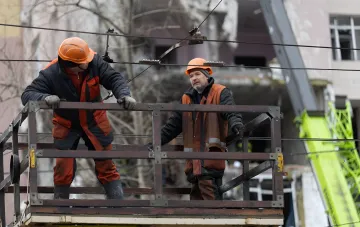
The mayor emphasized that the buildings left without heat are not a systemic problem, but the result of local accidents on heating networks that are currently being eliminated. The connection of such facilities is underway in an operational mode: teams are working at damaged sites to return heat to apartments as quickly as possible. Thus, by the end of the week, the capital has effectively achieved full heating provision for the municipal housing stock.
How HOAs, Housing Cooperatives, and Social Institutions Are Connected
Importantly, buildings managed by HOAs (Homeowners Associations) and housing cooperatives, as well as social sector institutions, are connected to heating not centrally, but upon individual requests from their managers or residents themselves. That is why statistics for these categories are formed as applications are received. Kyiv became the first city in Ukraine this year to start the heating season: social facilities began connecting as early as October 16, and residential buildings from November 2.
Energy System Under Fire: Emergency Power Outages
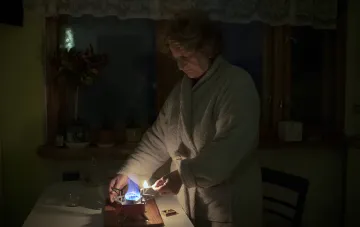
Separately, Klitschko noted that the city's municipal and energy services are working around the clock to ensure the functioning of the city and the provision of necessary services to residents "despite constant Russian attacks." According to the mayor, the enemy continues to destroy Ukraine's unified energy system through shelling — both generation and electricity transmission across the country — and in the capital, as in many other cities, Ukrenergo daily introduces emergency power outages. Power engineers, in turn, are restoring power supply around the clock, and city services are repairing damaged facilities.
Weekly Dynamics: From 80% to 99%
To understand the scale of the work, it is useful to compare the figures over several days. As of the morning of November 9, according to the same mayoral data, almost 80% of residential buildings serviced by municipal management companies and over 80% of social sector institutions were connected to heating — at that time, 247 medical institutions, 481 kindergartens, and 387 schools were already receiving heat. Over the following days, the indicator for housing rose to 99%, and for social facilities to 96%.
Summary: The capital, which was the first in the country to start the heating season, has provided heat to the vast majority of municipal housing stock and social institutions by mid-November. Isolated emergency points remain where utility workers are working, and city and energy services continue round-the-clock infrastructure restoration amid regular attacks on the energy system.