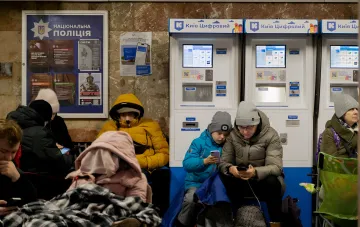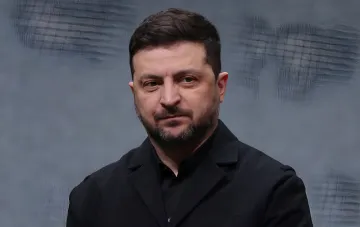
In Kyiv, as of the Kyiv City Council session, 45% of the capital's housing stock has been connected to the central heating system. This was announced by Kyiv Mayor Vitali Klitschko during his address to the city council. According to him, the launch of heating in the residential sector began on Monday, November 2, and heat is expected to reach all homes in the city within a few days. Klitschko emphasized that the decision to open the heating season was made several days before the sharp temperature drop, as a full launch of the centralized system requires slightly more than a week.
One of Europe's largest heating network systems
The mayor recalled that Kyiv's centralized heating system is one of the largest in Europe, with a total length of heating networks reaching approximately 3,000 km. It is the scale of the infrastructure that determines the duration of the launch procedure — from a few days to just over a week. Kyiv, according to Klitschko, was the first in Ukraine to open the heating season on October 16, starting with social sector institutions, which were connected upon the requests of their managers. This allowed for a time buffer before transitioning to the residential sector.
Threats from attacks and the work of the energy headquarters
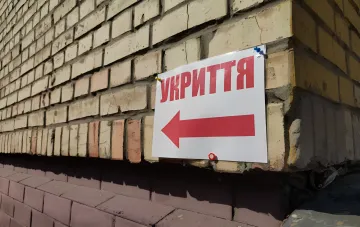
Addressing the council members, Klitschko focused on the fact that due to constant enemy attacks, the recurrence of emergency situations in the energy sector cannot be ruled out. However, he stated that the city is doing everything possible for the shortest recovery of damaged facilities and the restoration of heat, water, and electricity to residents' homes. The mayor reported that an energy lifeline headquarters has been operating in the capital since spring, involving experts, energy engineers, practitioners, and scientists. The headquarters, according to Klitschko, has developed response measures for various scenarios, although not all details can be disclosed publicly.
A call to protect key facilities with air defense systems
The head of the capital placed special emphasis on the need to protect energy infrastructure with air defense systems. Klitschko stated that given the current intensity of attacks — where several missiles or a swarm of drones arrive simultaneously — protective structures cannot cope with the load. "Without the protection of key facilities with air defense systems, the restoration, stable operation, and indeed the very existence of these objects are in great question," the mayor emphasized, citing the opinions of experts and specialists.
Budget decisions: Dnieper crossings and diesel fuel
During the same session, the Kyiv City Council adopted a number of additional budget decisions. The city is allocating 1 billion hryvnias for a project to build combined water crossings across the Dnieper River and access roads to them; the corresponding decree has already been adopted by the government, and the placement of the facilities is determined by military command. In addition, 350 million hryvnias have been allocated from the city budget for the purchase of 3.5 million liters of diesel fuel. Klitschko explained that this resource is critically important for preventing emergency situations and eliminating their consequences in conditions of potential power supply interruptions.
Context: a winter scenario for the capital
The mayor's statements were made against the backdrop of ongoing discussions about how Kyiv will survive the winter amid systemic attacks on energy infrastructure. Previously, city authorities and experts discussed various scenarios, ranging from partial outages to local blackouts. Connecting 45% of the housing stock to heat on the fourth day of the system's operation in the residential sector indicates that the process is proceeding according to the stated timelines; however, as Klitschko emphasizes, the sustainability of the result directly depends on the ability to protect generating and transmission objects from repeated strikes.