Capital's water supply restored
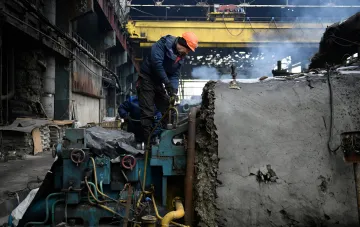
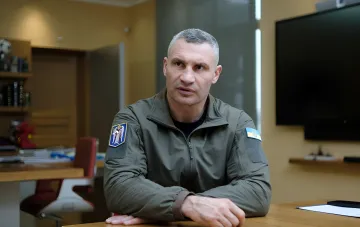
As of November 7, 2026, Kyiv's water supply system is operating in its normal mode. This was reported by Mayor Vitali Klitschko on his official Telegram channel, citing data from city municipal services. The statement came amid infrastructure repairs following a nighttime attack that damaged energy facilities in the Kyiv and Zhytomyr regions.
Connection to heating continues
In parallel with the restoration of water supply, the capital is actively connecting residential buildings to the heating network. According to data released by Klitschko, heat is currently being supplied to 60 percent of Kyiv's apartment buildings. Municipal services are continuing work to connect the remaining buildings, and city authorities estimate that the process is moving at a steady pace.
Causes of disruptions: aftermath of a night attack
Problems with heating and water in the capital arose as a result of a nighttime attack that damaged energy facilities in the Kyiv and Zhytomyr regions. As the mayor noted, Kyiv faced an extremely difficult situation with energy supply, which directly impacted the performance of municipal systems, primarily the delivery of heat and water to residential buildings. This is why the restoration of the infrastructure required significant time and resources.
What this means for residents
For Kyiv residents, the return to normal water supply means that the primary resource is once again fully available. However, the heating issue remains open for a significant number of citizens: 40 percent of apartment buildings are not yet connected to the heating system. Municipal services continue their work, and according to the logic of the city administration's statements, full connection of the housing stock is expected in the coming days.
Context: parallel processes in other cities
The situation involving the phased connection of housing to heating is not unique to Kyiv. Similar dynamics have been recorded in a number of other cities in Ukraine and abroad that suffered damage to energy infrastructure: water supply is restored first, followed by the prioritization of apartment buildings. In Kursk, for example, at a similar stage of heating restoration, about 60 percent of the housing stock was connected, which testifies to the typical nature of such recovery processes after energy facility damage.