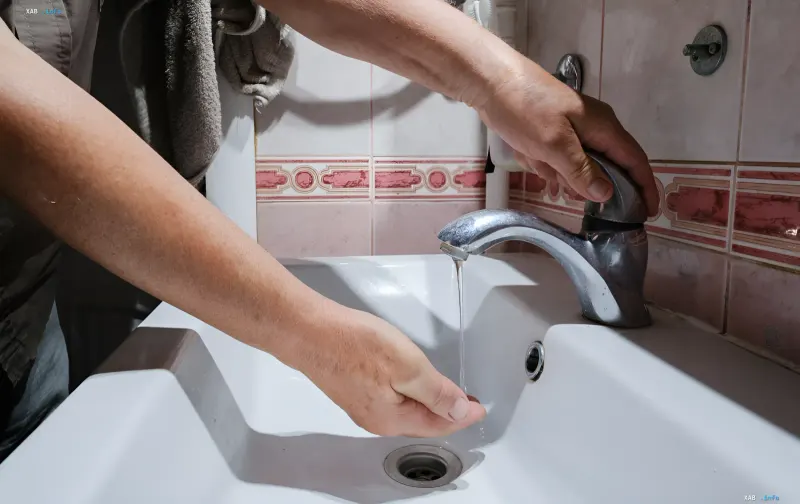
A high-alert water conservation regime has been introduced in Kyiv. Kyivvodokanal has appealed to the capital's residents, urging them to use water only when necessary and avoid wasting it. This comes as intensive Russian attacks on critical infrastructure have forced the city's utility systems to operate under extremely difficult conditions, putting significant strain on the company's equipment.
Why the call for conservation
According to the water utility, the current priority is to maintain the stable operation of water supply and sewage systems. The company explained that reducing overall water consumption helps alleviate pressure on equipment and preserves the functionality of urban infrastructure in conditions where certain facilities have already been damaged by strikes.
Who is being addressed and what is requested
The appeal is directed at both individual residents and large-scale consumers. Industrial enterprises and other organizations are requested to minimize water usage in production and technological processes where possible and to postpone tasks that require significant water volumes. By doing so, authorities aim to distribute the load on the networks and reduce the risk of further outages.
Context: The November 20 Strike
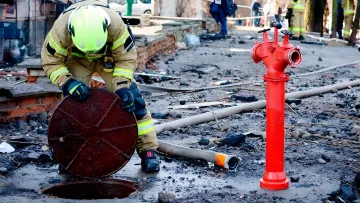
It should be recalled that on November 20, Russian attacks damaged several Kyivvodokanal facilities. The strikes caused water supply disruptions in the capital, with reduced pressure in the networks across several districts. Two company employees were killed, and seven others were wounded. These damages are among the factors determining the current operating mode of the utility systems.
Government-level measures
On November 23, the government adopted measures to further mitigate the risk of water supply and sewage disruptions in major cities. Local authorities and water utilities are now required to prepare load-balancing schedules for the networks and plans for the delivery of drinking and technical water in the event of severe damage. Simultaneously, Kyivvodokanal specialists continue to work to ensure the functioning of the capital's life-support systems.