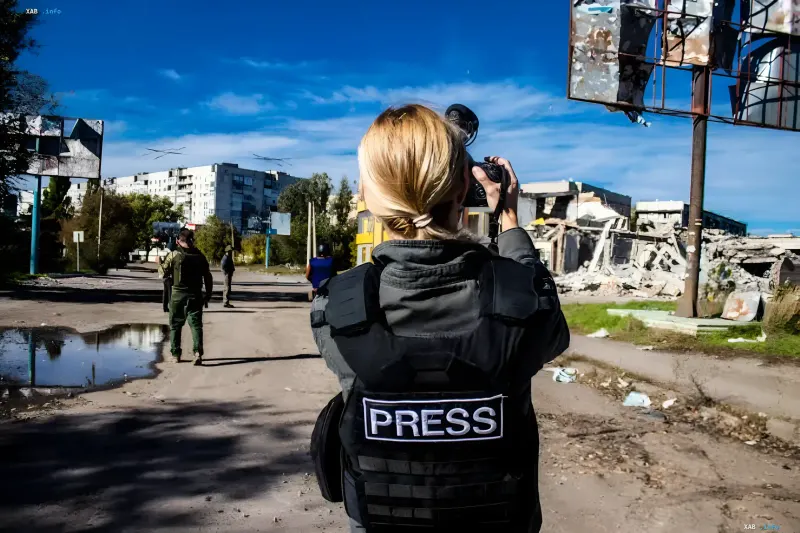
The United Nations Educational, Scientific and Cultural Organization (UNESCO) has published a new report on the safety of journalists, documenting alarming global trends. According to the document, 189 media workers were killed in the line of duty between 2024 and 2025—a 20 percent increase compared to the previous reporting period of 2022–2023. The report emphasizes that the vast majority of these losses occur in armed conflict zones, where the work of reporters and camera operators carries a direct risk to life.
Rising Death Toll and Concentration of Losses in Combat Zones
According to UNESCO data, 127 of the 189 recorded journalist deaths occurred directly in war zones. This means that more than two-thirds of all deaths are linked to active hostilities rather than other forms of threats. The remaining cases are distributed across territories where journalists face violence in the absence of a full-scale armed conflict—specifically when covering organized crime.
Drones Emerge as Major Threat to the Press
The report pays special attention to the changing nature of threats in modern warfare. According to UNESCO, 40 percent of journalists killed in armed conflict zones fell victim to uncrewed aerial vehicle (drone) strikes. The organization points out that remote high-precision weapons have become one of the most serious threats to the safety of media representatives, as their use complicates target identification and increases the risk of accidental harm to civilians, including journalists.
Geography of Losses: Palestine, Mexico, Sudan, Ukraine
The report highlights several countries with the highest number of media casualties. Ranking first is Palestine, where UNESCO reports 62 journalists killed; military operations in the region are described as the most devastating for the press. Mexico ranks second (17 deaths), where risks persist even without an armed conflict due to the coverage of drug cartels and organized crime. Sudan holds the third position (14 deaths) amid an internal armed conflict and humanitarian crisis, while Ukraine ranks fourth (12 deaths), where both local and international journalists have been killed amidst ongoing hostilities.
Call to Respect International Humanitarian Law
In conclusion, UNESCO calls on the international community to ensure strict compliance with international humanitarian law protecting reporters and camera operators working in conflict zones. The organization views the rising death toll, including from drone use, as a signal of the urgent need to strengthen press protection mechanisms and hold perpetrators accountable for intentional and reckless attacks on journalists.