The upcoming winter in Kyiv may follow entirely different scenarios depending on the intensity and nature of ongoing Russian attacks on Ukraine's critical infrastructure. Capital residents should prepare for challenges that could significantly alter their daily routines, ranging from relatively mild restrictions to a severe energy crisis with prolonged blackouts.
Mild and worst-case scenarios for the power grid
Official forecasts and assessments by industry experts show high variability in how events may unfold. Energy Research Centre Director Oleksandr Kharchenko, in a recent interview, detailed two main paths for navigating the heating season. Under the optimistic yet realistic scenario, Kyiv residents can expect scheduled power outages lasting 4 to 6 hours a day, supplemented by periodic emergency disruptions roughly once every two to three weeks. This situation will allow utility services to promptly address damage without fatal consequences for urban infrastructure.
Threats of the severe scenario and heating
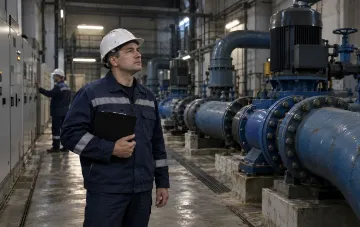
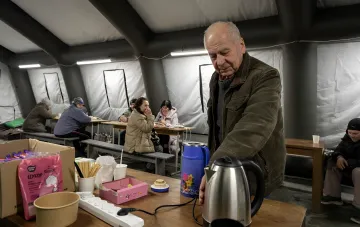
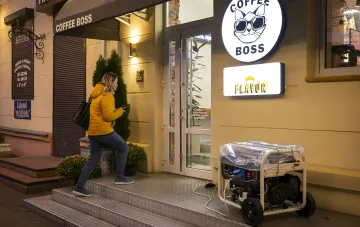
At the same time, the pessimistic scenario looks significantly harsher, involving massive power outages capable of lasting up to 18 hours a day. Under such extreme conditions, not only the stable operation of the power grid will be threatened, but also uninterrupted water supply and heating in certain districts of the city. The expert notes that a total and permanent freezing of the entire capital will likely be avoided, though some neighborhoods may experience serious local heating issues requiring the rapid deployment of mobile generators and invincibility points.
Attack intervals and recovery capabilities
Analyzing potential threats, specialists point to technological limitations on the Russian side regarding the frequency of massive strikes. According to energy experts, the aggressor is physically incapable of maintaining a continuous pace of high-density attacks, sustaining pauses between large-scale shelling of at least two weeks. This exact time interval is used by Ukrainian repair crews and engineers to carry out restoration work, bring energy facilities back to operational status, and partially stabilize the generation and consumption balance in the central region.