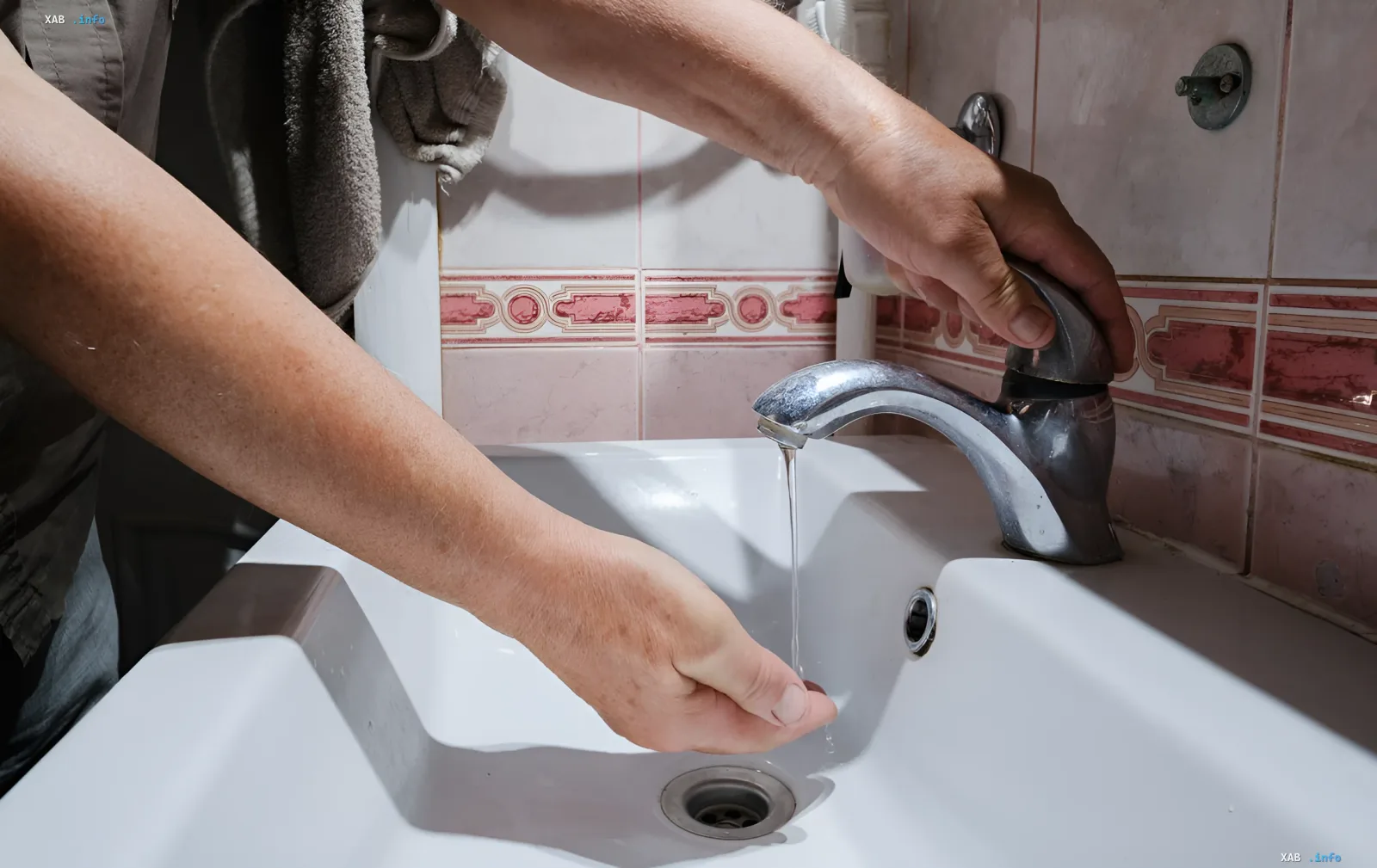
The issue of providing the capital of Ukraine with vital resources amid the ongoing threat to energy infrastructure remains one of the most pressing for citizens. Against the backdrop of continuing Russian attacks on energy facilities, which already led to local disruptions in October 2026, Kyiv authorities and utility companies are thoroughly assessing risks for the upcoming winter period. Kyivvodokanal Deputy General Director Serhiy Horkutsenko recently explained in an interview how the city's water supply and sewage system will operate in the event of large-scale and prolonged power outages.
Water supply operation scenarios during a total blackout
According to forecasts by the specialized enterprise, the stability of water supply directly depends on the stable operation of pumping equipment and the availability of electricity. If the capital faces a complete and prolonged blackout, centralized water supply will temporarily stop as pumps cease operation. In the event of rolling or emergency outages, when electricity is supplied for a few hours a day, water will flow into homes cyclically — strictly during the operation of pumping stations.
When electricity disappears, Vodokanal instantly stops the supply, but the water itself remains inside the distribution networks. After power is restored, specialists restart the pumps, and the resource gradually returns to Kyiv apartments. At the same time, a critically important nuance is that the sewage system, according to the enterprise's management assurances, will be able to continue its operation, reducing the risk of sanitary problems.
Top floor problems and communication vulnerability in frosts
A separate risk zone in multi-apartment buildings remains the upper floors of high-rises, where water may simply not reach due to the shutdown of booster pumps maintaining necessary pressure in the system. To minimize these consequences, many apartment building co-owners associations (HOAs) have installed modern инверторы and backup battery packs for such equipment in advance.
Contradictory data
While official reports from Kyivvodokanal emphasize a high degree of preparedness of utility services and the general protection of main networks, independent experts and the experience of past winters point to the vulnerability of internal house communications. In particular, problems were recorded in new residential complexes where developers did not complete the official connection procedure to the city balance. If officials declare control over the situation, practice shows an increased risk of freezing hot water risers and heating systems running near the external walls of buildings during severe frosts.
Specialist recommendations for protecting internal systems
To prevent accidents and damage to internal engineering communications during severe frosts, specialists advise taking preventive measures. In particular, after the water supply stops, in some cases it is recommended to leave taps open on lower floors to drain residual liquid from the risers, although utility workers admit that this measure does not guarantee one hundred percent protection of all pipes from freezing. Recall that at the beginning of October 2026, disruptions were already recorded in Kyiv due to strikes on facilities in the Kyiv region, forcing residents and utilities to prepare infrastructure for severe trials.