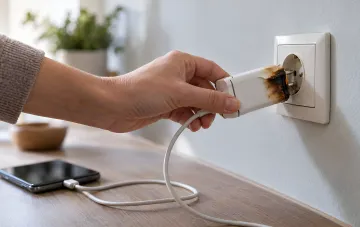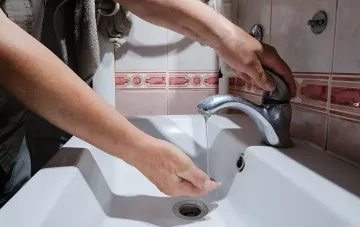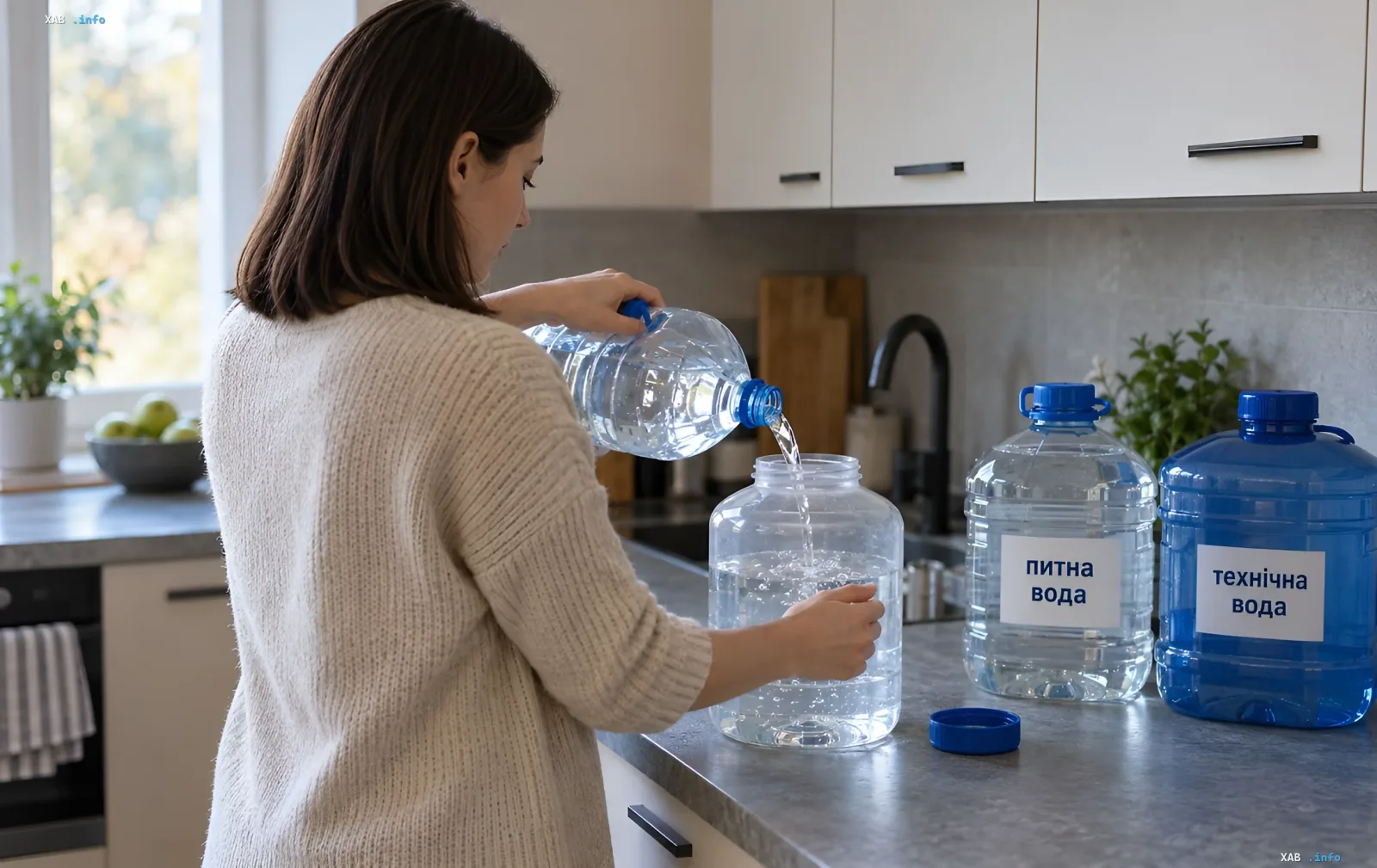
In emergency situations, infrastructure accidents, or scheduled power outages, millions of citizens may face a sudden halt in water supply. In such moments, it is crucial to stay calm, follow verified instructions from specialized agencies, and avoid using questionable liquid sources that could cause irreparable harm to health.
Official Information Sources and Actions During Accidents
First and foremost, it is necessary to monitor official statements from local authorities, water utility representatives, the State Emergency Service (SES), or regional disease control and prevention centers. This is where verified information is published regarding the causes of the accident, estimated timelines for restoring the resource supply, and the addresses of stationary or mobile drinking water distribution points. If stable mobile communication or internet access is missing, it is recommended to contact local village elders or executive committees of local communities directly for up-to-date instructions.
Contradictory Data
There are discrepancies in risk assessments regarding the use of tap water immediately after a drop in system pressure. The Public Health Center's official guidelines strictly advise against drinking or using it for cooking without prior boiling due to the risk of hidden groundwater and sewage infiltration through microcracks in pipes. At the same time, some utility companies claim that during short-term pressure drops and stable chlorination, minimal residual disinfectant levels are capable of suppressing bacterial threats during the first few hours. Nevertheless, experts advise playing it safe and using heat treatment.
Rules for Choosing and Assessing Water Quality
If centralized supply is absent and official deliveries have not yet been organized, selecting alternative sources should be approached with extreme caution. It is strictly forbidden to collect water from unverified wells, makeshift boreholes, ponds, and open water bodies without preliminary laboratory analysis. Pay close attention to organoleptic properties: a sharp smell of fuel, gasoline, paint, solvents, or sewage, the presence of an iridescent film, persistent foam, or a suspicious color mean that the liquid is unfit for consumption even after prolonged boiling, as toxic chemicals and heavy metals are not removed thermally.