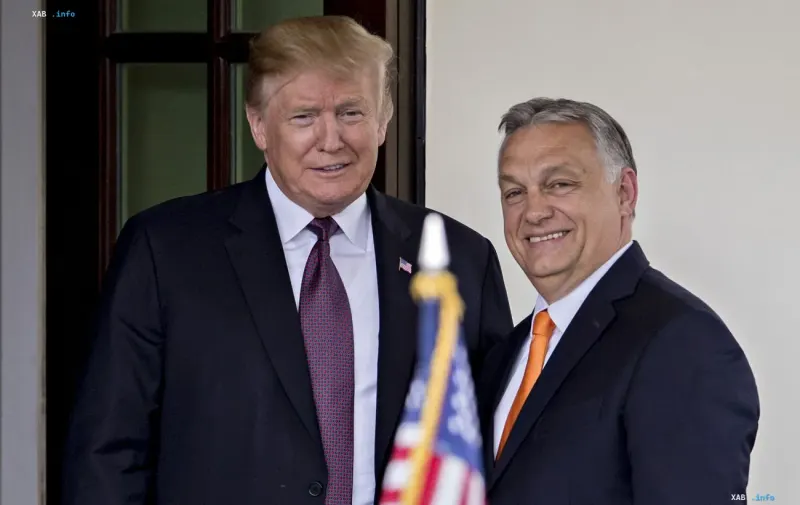
The administration of US President Donald Trump is promoting former Hungarian Prime Minister Viktor Orban for the position of UN Secretary-General. Washington expects this nomination to secure support from both Russia and China, creating an unprecedented consensus among the permanent members of the Security Council.
Diplomatic Maneuvers and World Powers' Stances
Viktor Orban's name has repeatedly been raised during Washington's consultations with Russian and Chinese counterparts, who previously stated they were looking for a figure with similar political views. According to State Department sources, the Hungarian politician's candidacy is guaranteed to be supported by at least 8 out of 15 UN Security Council members, and potentially up to 10 states. American officials note that reaching an agreement between the US, Russia, and Beijing traditionally predetermines the successful adoption of key decisions within the organization.
Position of European Allies and the Candidate's Doubts
A key factor for the development of the situation remains the position of Great Britain and France, which hold veto power in the Security Council. Experts note that Paris and London may refrain from blocking a candidate if he is supported by the majority of other UNSC members. Viktor Orban himself reacted favorably to the proposal, but remains cautious due to his nationalist politician image and does not intend to announce his participation in the race until he has guarantees of victory.
Domestic Political Context and Ties with Moscow
The Hungarian politician, who lost the prime ministerial post after April elections in the country due to legislative term limits, has long remained one of Brussels' most prominent critics. Over years of leading the government, he built close partnership relations with Moscow and Beijing, which repeatedly led to discussions within the European Union. If nominated, his candidacy will inevitably attract close international attention due to his past political steps and stances on key geopolitical issues.
Potential Consequences for the International Organization
The emergence of a figure like Viktor Orban at the head of the United Nations could radically change the usual balance of power and the working style of the Secretary-General. Critics fear the transformation of this post into a platform for promoting the interests of authoritarian regimes, while conservative circles in the US see him as an ideal leader to combat global challenges. Official representatives of the involved countries are currently refraining from public statements, and the final decision is expected after the November elections in the United States.