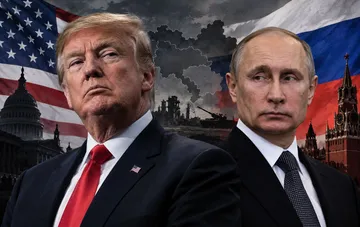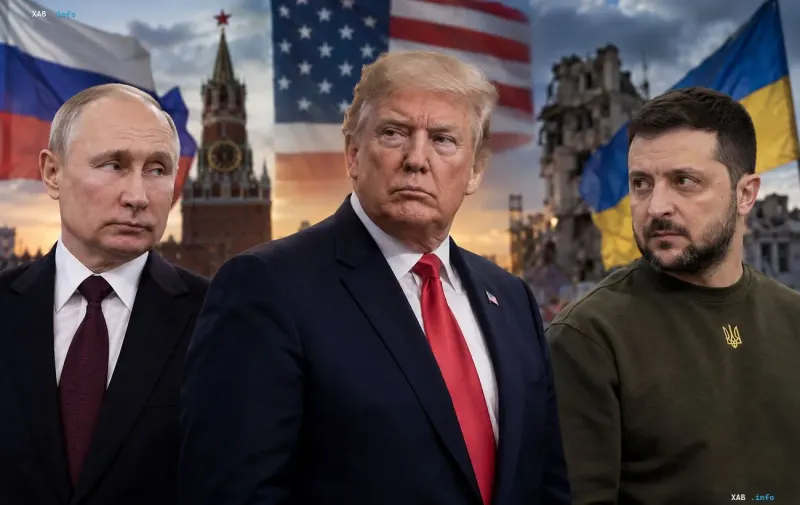
The resumption of the negotiation process between key international players does not indicate an imminent end to the armed conflict. According to Ukrainian political analyst Volodymyr Fesenko, speaking on the RBC-Ukraine podcast 'TSE BAZA', Russia's true objective is not a ceasefire, but securing further concessions from Kyiv, primarily by coercing Ukraine into an official neutral status.
Diplomatic Signals for the U.S. Administration
The expert notes that Donald Trump's statements should be viewed in light of his political style, which tends to present wishful thinking as reality. In the current environment, Moscow is adapting to this approach by sending demonstrative positive signals to Washington. Russia's agreement to resume contacts in a trilateral format is seen as a symbolic gesture designed to highlight the alleged effectiveness of the U.S. leadership's efforts in resolving the crisis ahead of key domestic political events in the United States.
The schedule of planned contacts, set for the second decade of November following the U.S. congressional midterm elections and prior to the APEC summit, indicates preparations for potential large-scale diplomatic maneuvers. At the same time, the mere agreement to a negotiating platform does not signify the Kremlin's readiness to halt military operations. As indicated by the positions of Russian officials, the central issue remains the architecture of post-war security and the distribution of roles within it.
Moscow's Position on Non-Aligned Status
Moscow's core demand remains the official formalization of Ukraine's non-aligned status in order to rule out any prospect of its institutional integration into the North Atlantic Alliance. According to the political analyst's assessment, the Russian side expects to secure understanding from the U.S. on this matter, whereas Kyiv's European partners hold a fundamentally different view. Pressure on the Ukrainian leadership will be applied comprehensively: through continued military operations, diplomatic efforts on new platforms, and influence via Western allies.
The technical nature of potential consultations suggests a lack of swift breakthroughs or compromise solutions capable of bringing long-awaited peace. The negotiation track in current realities is transforming into an additional instrument of strategic pressure, alongside ongoing strikes against the country's critical infrastructure, including large-scale attacks on the energy sector ahead of the winter period.
Significance of the Negotiation Process and Prospects for Settlement
No cardinal changes in the dynamics of the conflict should be expected in the near term, as the fundamental goals of the warring parties remain diametrically opposed. Moscow continues its course of exhausting the Ukrainian economy and infrastructure to achieve strategic capitulation before reaching substantive peace agreements. In turn, Kyiv insists on upholding sovereign rights and fulfilling conditions that preclude the imposition of unfavorable geopolitical compromises.
Thus, trilateral negotiation formats in the current context serve a tactical role in the grand geopolitical game rather than acting as a real bridge to sustainable peace. Further developments will depend on the strength of the Ukrainian authorities' position, the level of support from European allies, and the readiness of the new U.S. administration to account for long-term security risks in Eastern Europe.