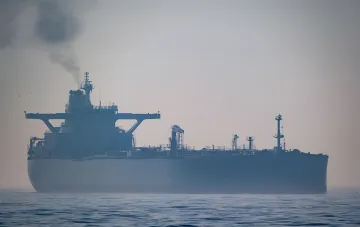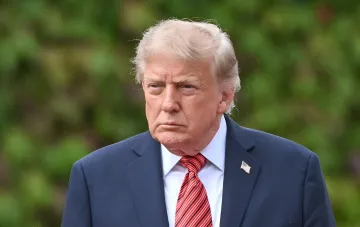
Negotiation processes between the United States and Russia regarding the settlement of the conflict in Ukraine have taken on new economic dimensions. According to leading Western and Ukrainian media outlets citing reports from The New York Times, diplomatic contacts have moved far beyond strictly peace-process boundaries. The parties are now actively discussing a potential large-scale deal involving the sale of foreign and domestic assets belonging to the Russian oil company Lukoil, which could generate billions in profits for process participants.
Background and the Kremlin's Initiative
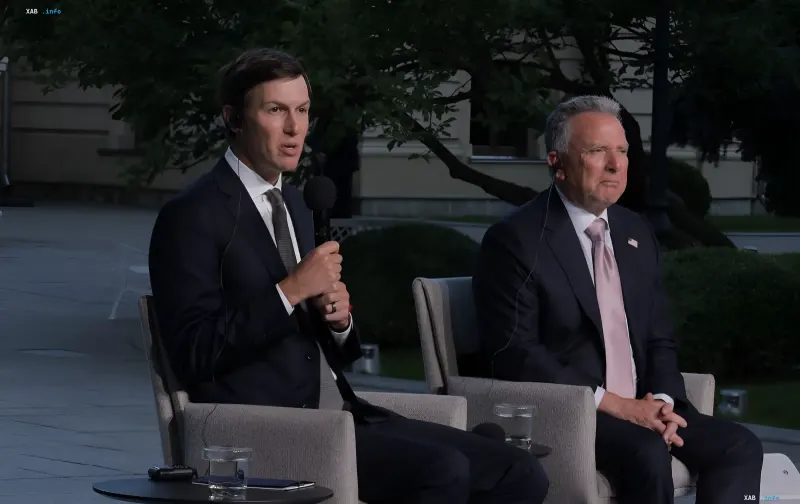
As journalists learned from informed sources, the initiative to discuss this issue came from Russian leader Vladimir Putin. Moscow views this deal as a strategic tool to demonstrate the feasibility of restoring full-scale business ties with Washington. The team of US President Donald Trump, including his special envoys Steve Witkoff and Jared Kushner, agreed to thoroughly work through the proposal. The White House views this step not only as a path toward easing tensions with the Kremlin but also as a lever to effectively influence global energy prices.
Contradictory Data
Despite the apparent elaboration of the initiative, numerous contradictions and hidden details surround the potential deal. Some insiders claim the White House intends to use the lifting of sanctions from the assets exclusively to stabilize the market, while critics point to an obvious conflict of interest. Official agencies in both countries refrain from making comprehensive comments, and the implementation timelines and potential deadlines for selling Lukoil's assets have been postponed by the American side multiple times, fueling rumors of fierce backstage bargaining.
Interests of Businessmen Close to Trump
The implementation of such a project opens up unique financial prospects for a number of prominent entrepreneurs close to the American leadership. Specifically, potential investors and asset buyers include prominent American financier Todd Boehly, who has direct business and political ties to Donald Trump's team. Experts note that if Washington lifts sanctions on Lukoil assets — ranging from oil refineries in Europe to gas stations in New Jersey and fields in Cameroon — their market value will instantly skyrocket, providing super-profits to consortium members.
Implications for Global Energy and Geopolitics
The large-scale Lukoil deal demonstrates that economic interests and geo-pragmatism can inject themselves into even the most complex political crises of our time. The project's dependence on the political will of the two presidents — Putin and Trump — makes it extremely vulnerable to any changes in the international environment. If the agreement is successfully finalized, it will become the largest precedent for partially lifting sanctions pressure for business interests, though such a scenario will inevitably provoke harsh criticism from Washington's European allies.