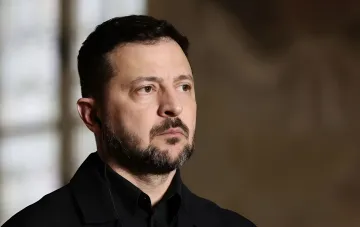
President of Ukraine Volodymyr Zelenskyy has appealed to United States President Donald Trump with a call to impose strict sanctions against Russian and Chinese enterprises. The cause for Kyiv's alarm is Moscow's active development of its own satellite communications system called 'Rassvet', which is intended to become a direct analog of the American Starlink network. According to the Ukrainian leader, this technological threat could significantly alter the balance of power on the battlefield if Beijing continues to provide technological and industrial support to the Russian military-industrial complex.
Background and the Chinese Factor in the Rassvet Project
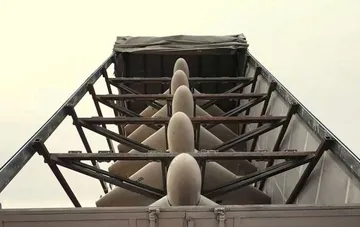
The need to create an independent orbital constellation arose for Moscow after Russian armed forces faced restricted access to Starlink terminals in the combat zone in Ukraine. In response, the Kremlin intensified efforts to implement the Rassvet project. As Volodymyr Zelenskyy emphasized, Chinese companies are providing direct assistance to the Russian Federation in the production of spacecraft and the creation of necessary ground infrastructure. The first sixteen satellites of this promising network were successfully launched into low Earth orbit back in March of this year, and developers plan to expand the orbital constellation to 900 devices in the coming years.
Launch Timelines and Ukraine's Diplomatic Efforts
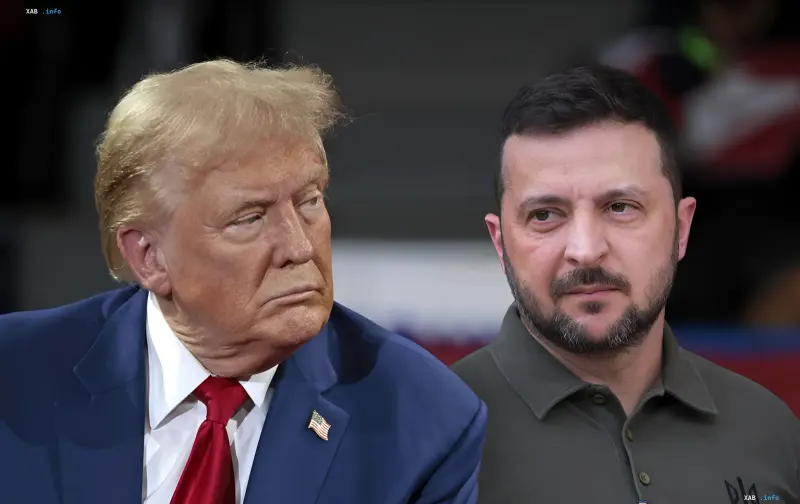
According to estimates by the Ukrainian side and data from developer Alexey Shelobkov of X Holding, a full-scale launch of the Rassvet system could take place at the end of 2026 or early 2027. Recall that SpaceX's global network currently numbers over 10,000 spacecraft, yet the emergence of even a regional Russian analog poses serious risks to the security of Ukrainian communications. Zelenskyy personally raised the issue of imposing preventive American sanctions against all involved structures during his recent meeting with Donald Trump on the sidelines of the UN General Assembly in New York.
Contradictory Data
While official Kyiv insists on the inevitability of the rapid deployment of the Rassvet system at the turn of 2026–2027, specialized experts note the colossal technological gap between the scale of the Russian space program and Elon Musk's gigantic network. In addition, Beijing officially denies targeted military assistance to Russia bypassing international sanctions, claiming exclusively peaceful cooperation in the scientific and technical spheres, which creates additional diplomatic barriers for Washington to introduce comprehensive restrictive measures.
Expert Assessments and Consequences for the Frontline
Military analysts agree that the emergence of independent secure satellite communications will allow Russian troops to significantly improve unit coordination, drone management, and tactical reconnaissance. This is why the Ukrainian leadership continues to seek the international isolation of the project at the early stages of its implementation. The success of diplomatic pressure on Donald Trump's administration will largely determine the effectiveness of further countering the technological bypass of sanctions by Chinese tech giants.