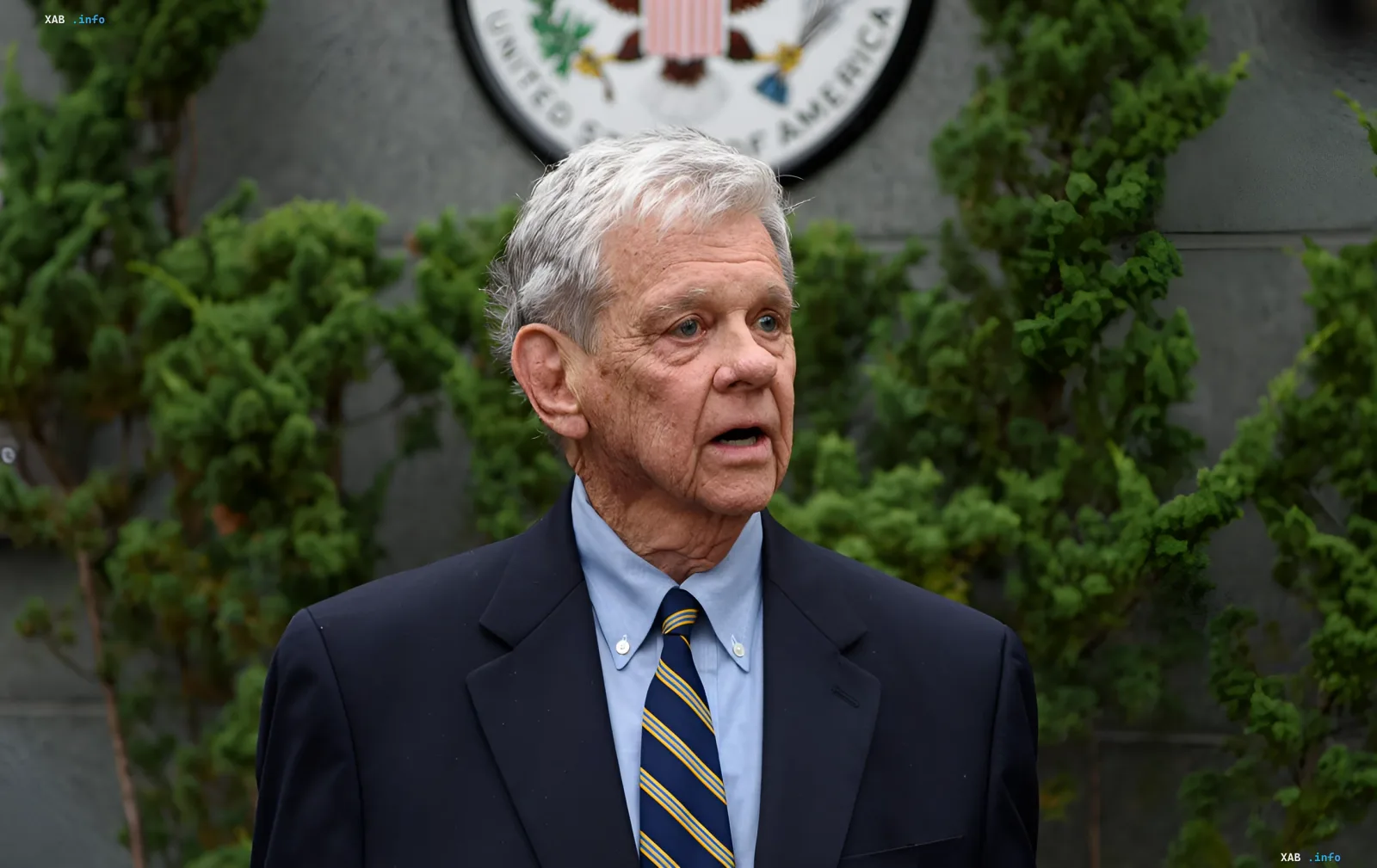
On September 16, 2026, Belarus and the United States announced the reach of an interim agreement under which Minsk agreed to release 25 political prisoners, while Washington in return lifted sanctions on two Belarusian enterprises — "Lakokrasika" and "Bellesbumprom." This was announced by the U.S. presidential special envoy John Cole, who emphasized that the parties had agreed on the key parameters of the deal and intend to continue the dialogue on the remaining open issues.
Deal mechanics: who gets what
According to statements from the American side, the release of 25 political prisoners became a direct condition for lifting the sanctions pressure on the Belarusian economy. The companies covered by the sanctions relief were "Lakokrasika" and "Bellesbumprom" — enterprises previously included in U.S. sanctions lists. Cole clarified that this is only the first stage: "When all issues are resolved and agreed upon by both sides, there will be an additional release of individuals and the lifting of sanctions against Belarusian companies." Thus, both sides are building into the agreement a mechanism for the phased fulfillment of obligations.
Human rights monitoring: how the release took place
According to the Belarusian human rights organization "Viasna," on the evening of September 15, the relatives of some of the prisoners were notified that they would be able to pick up their loved ones from the correctional colonies the following morning — on September 16. This means that the actual agreement on the terms of release was completed no later than the evening of the 15th, while the public confirmation of the deal by the American special envoy came on the 16th. Human rights defenders recorded that the former inmates were taken out of their places of detention within the established timeframe.
Context: Lukashenko's statements about "monsters" and the geopolitical backdrop
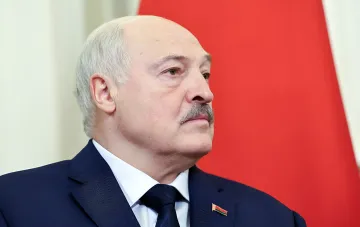
Against the backdrop of the diplomatic breakthrough with Washington, the self-proclaimed President of Belarus Alexander Lukashenko had earlier publicly assured that he does not plan to attack neighboring states. In his words, such a step would be "equivalent to death" for Minsk, because Belarus would not be able to defeat the neighboring "monsters." These statements, made against the backdrop of discussions on regional security, form additional context for understanding why Minsk is ready to make concessions in the area of human rights in exchange for economic unblocking.
Outlook: what remains open
Special envoy Cole emphasized that the agreement reached is interim. The parties will continue negotiations on the issues that remain open between the two countries. The specific list of these issues, as well as the timing of the next round of releases and sanctions relief, was not disclosed at the time of publication. Experts note that the "step-by-step" format creates an incentive for both sides: Minsk gets a gradual lifting of economic pressure, while Washington gets a steady improvement in the situation with political prisoners without the need to make risky decisions all at once.