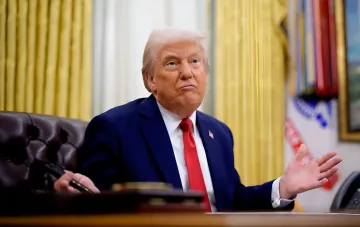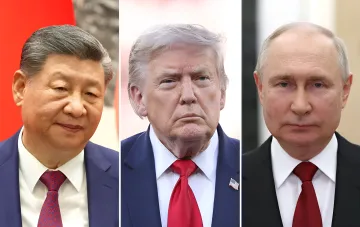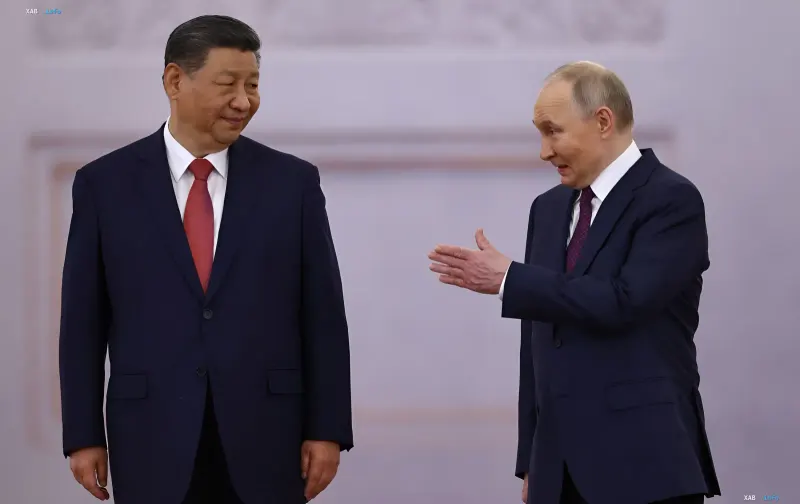
Weeks ahead of the Asia-Pacific Economic Cooperation (APEC) summit in Shenzhen, representatives of the United States, China, and Russia are holding intensive negotiations to coordinate the agenda and protocol for the upcoming leaders' meeting. This was reported by the South China Morning Post, citing informed sources, which in turn were referenced by RBC-Ukraine. According to the publication, over the past weeks, the three parties have been actively discussing the format and content of contacts on the sidelines of the summit, scheduled for November 18–19, 2026, in Shenzhen, China. U.S. President Donald Trump previously announced his visit to China next week and did not rule out a trilateral meeting with the leaders of China and Russia, calling the upcoming talks "very interesting." The Chinese Foreign Ministry confirmed that working teams from Beijing and Washington have already begun preparations for the contacts.
Ukraine and Korea Take a Backseat
According to SCMP information, the war in Ukraine and the issue of the denuclearization of the Korean Peninsula have largely taken a backseat during the preparation of the agenda. Beijing, according to sources, would prefer Washington to discuss the Ukrainian conflict directly with Moscow, and the situation on the Korean Peninsula with North Korea. Thus, the parties have focused on topics where it is believed a common position can be formed without requiring a radical change in the previous policy of any of the states.
AI in Nuclear Command is the Main Topic
A central point of the agreed agenda, according to sources, is the role of artificial intelligence in nuclear command and control systems. Working groups of the three countries are already discussing the application of this technology in critical weapon systems, as well as the possibility of adopting a joint statement against a future nuclear war. According to an SCMP source, this issue does not require a radical overhaul of existing approaches and could be a relatively simple step toward trilateral cooperation, making it the most realistic direction for agreements at the summit.
Different Approaches to Arms Control
At the same time, the positions of the parties on the broader issue of nuclear control remain divergent. The U.S. insists on strengthening control over the nuclear arsenals of all three states. China, however, has long not supported the idea of full-scale strategic stability negotiations. According to one SCMP interlocutor, Beijing has alternatively proposed discussing nuclear transparency—a smaller-scale format that could serve as a compromise. China likely views any progress in the nuclear sphere as a tool to stabilize relations with the U.S. as a whole.
Meeting Format in Question
According to The Wall Street Journal, disagreements have arisen between the U.S. and China regarding the format of the upcoming meeting. Beijing favors a strictly regulated summit with pre-prepared statements, whereas the Trump administration prefers a more casual format of leader interaction. This divergence, according to the publication, could jeopardize the trilateral talks. Thus, despite confirmed preparations by working groups, the final format and even the very fact of holding a trilateral contact remain subjects of active discussion with less than a week until the opening of the APEC summit.