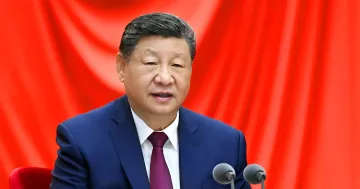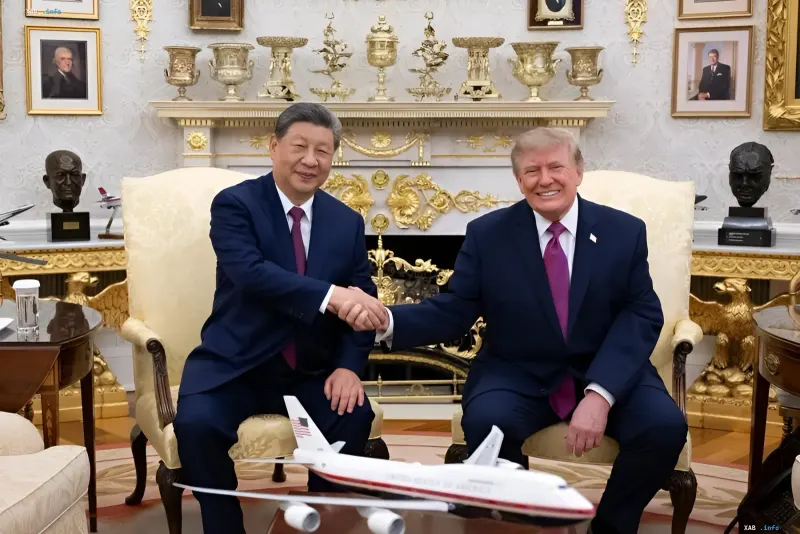
Following the conclusion of Chinese President Xi Jinping's three-day state visit to Washington, the two nations reached a milestone agreement to mutually reduce trade tariffs on goods worth $30 billion. Experts view this move as a significant de-escalation of trade tensions between the world's two largest economies. The agreement covers categories of goods previously protected by high tariffs, which is expected to have a positive impact on bilateral trade volume.
Details of the Trade Deal
According to an official White House statement, tariff adjustments will apply to US exports of agricultural products, lumber, and cosmetics, while China will receive improved access to the American market for small household appliances, toys, and decorative items. Extending the trade truce by two months, until November 10, provides additional flexibility to work on a more comprehensive and long-term trade treaty, as emphasized by US Treasury Secretary Scott Bessent.
A New Era in AI Regulation
A key technological breakthrough of the summit was the agreement to launch an official dialogue on artificial intelligence. Notably, at the leaders' initiative, the term "superintelligence" will be established in diplomatic discourse instead of the classic "artificial intelligence." The parties agreed to establish a special communication channel to mitigate risks associated with technological advancement, highlighting the serious intentions of Washington and Beijing to control global digital transformation.
Contradictory Data
Despite the positive rhetoric from official agencies, there are disagreements in analytical circles regarding the sustainability of these agreements. Some experts point out that extending the trade truce by only two months is a temporary measure that may not prevent a new round of confrontation after November 2026. At the same time, the Chinese side emphasizes that adopting new terminology for AI is an important gesture of trust, while Western observers remain skeptical about whether a name change can radically shift real geopolitical challenges.
The diplomatic success confirmed by the September 25 meetings is supplemented by mutual commitments to support key international forums. Both countries have affirmed their intention to facilitate meetings within the APEC framework and the G20 summit, indicating an attempt by the parties to build a stable foundation for interaction amidst global uncertainty.