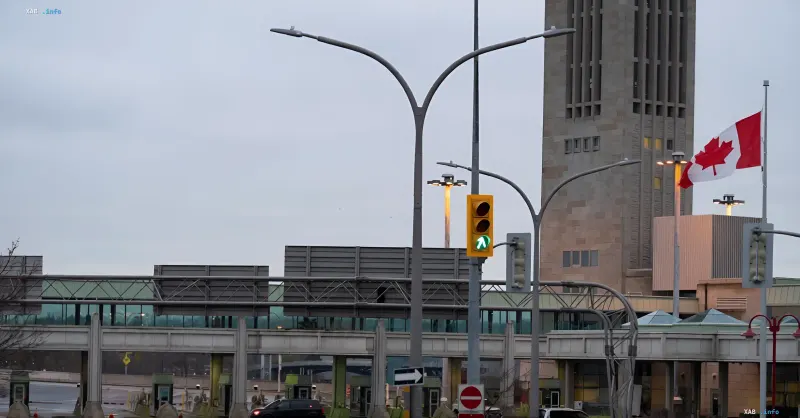
The situation at the US-Canada border has become significantly more complex following the Trump administration's implementation of strict new import restrictions on Canadian goods. The new rules, which took effect on September 29, 2026, cover a wide range of products, including alcoholic beverages and dairy items. The Canadian Snowbird Association (CSA) has officially advised citizens to exercise extreme caution when planning trips to the US to avoid unpleasant incidents at border crossings.
Background of the Trade Conflict
Bilateral tensions reached a breaking point on September 8, 2026, when US President Donald Trump announced the introduction of prohibitive measures. This decision came as a response to Canadian tariffs affecting imports from the US worth approximately $28 billion. This move marked the beginning of a major trade escalation, the consequences of which are now being felt by average citizens who are subject to rigorous luggage and vehicle inspections when crossing the border.
Risks for Travelers
Evan Rachkovsky, Director of Research and Communications at the CSA, highlights that the lack of clear guidance from US Customs and Border Protection (CBP) creates legal uncertainty for private individuals. Currently, travelers risk having personal belongings confiscated or even being denied entry into the country. Consequently, experts strongly recommend refraining from bringing any Canadian-made goods that fall under these new restrictions until official confirmation regarding potential exemptions is provided.
Contradictory Data
The situation is further complicated by discrepancies in rule interpretation: CBP representatives state that US citizens 21 and older may import up to 1 liter of alcohol for personal use duty-free. However, it is unclear whether this relaxation applies to Canadian citizens traveling to the US. While the US agency cites Proclamation 11061 regulating import duties, no clear protocol for Canadian tourists crossing the border has been published, leaving room for subjective decisions by officers on the ground.