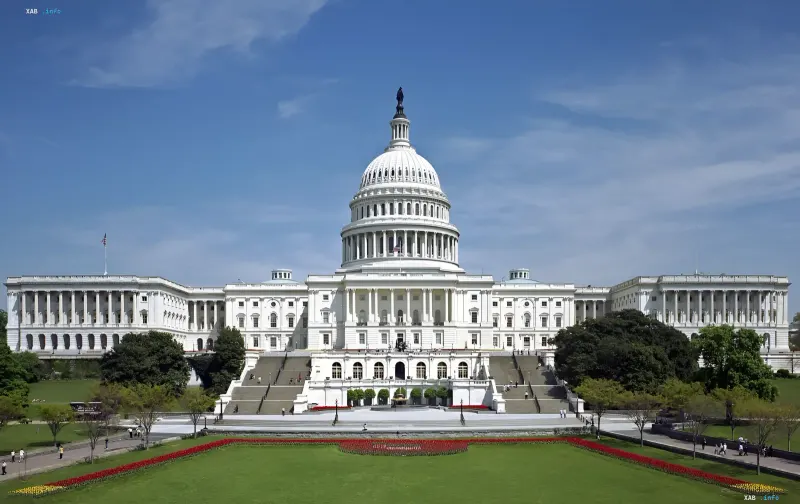
The Ukraine support group in the US Congress has expressed deep concern following reports of a potential halt in intelligence sharing with Kyiv, as well as restrictive measures affecting the Starlink satellite communication network. Lawmakers emphasized that such restrictions pose a direct threat to the safety not only of Ukrainian service members and civilians, but also of US citizens residing within Ukraine.
Reaction from American Lawmakers
According to congressional representatives, the United States must maintain full intelligence support for Ukraine to save human lives from regular Russian attacks. The support group's official statement notes that US allies are funding Ukraine's access to Starlink, and any unilateral restrictions that endanger civilian populations are completely unacceptable and will not be approved by Congress.
Contradictory Data
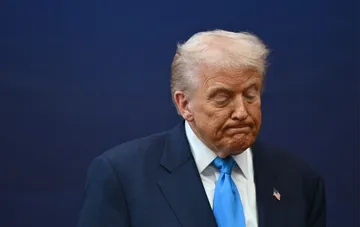
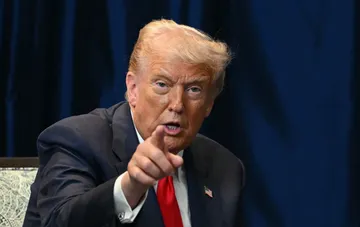
The situation surrounding military and intelligence support is clouded by conflicting statements. Earlier, President Volodymyr Zelenskyy stated that Kyiv had received warnings and threats from US authorities regarding a potential end to intelligence sharing, though he noted these threats had not yet been materialized. Meanwhile, US President Donald Trump insists that intelligence sharing is proceeding normally, and White House officials officially stated that the administration is not involved in Starlink limitations, maintaining that the White House does not control the private company SpaceX. Against this backdrop, media reports suggest Trump is infuriated by the situation and could still move to block intelligence sharing with Ukraine.
Consequences and Political Context
This crisis unfolds amidst a broader standoff in Washington over enhanced security guarantees for Ukraine. Senators and representatives are attempting to erect barriers against executive overreach that could undermine Kyiv's defensive capabilities. Experts point out that any attempts to restrict technological and intelligence assistance could severely weaken Ukraine's frontline position and erode trust among NATO allies, requiring strict parliamentary oversight.