Last-Minute Rescue: Tariff Delay
On the night of August 19, 2026, the world held its breath: the US delayed the imposition of massive 50% tariffs on Canadian goods at the eleventh hour. President Donald Trump announced a preliminary agreement with Canadian Prime Minister Mark Carney, averting an immediate blow to the northern neighbor's economy. The tariffs were originally set to take effect at midnight, affecting dairy products, alcohol, furniture, and other goods worth approximately $20 billion. However, following tense negotiations, both sides agreed to a three-day extension to finalize the document.
Deal Details: Concessions and Uncertainty
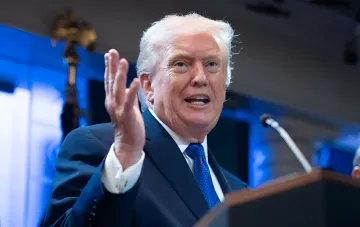
"We have reached an agreement with Canada," Trump told reporters, but immediately added that the document still requires final refinement. He did not disclose specific details of the concessions but emphasized that both sides are willing to compromise. Prime Minister Carney confirmed that the imposition of tariffs has been delayed until the end of the day on August 21, noting: "Significant progress has been made, although there is still much important work ahead." This means that the trade deal is not yet finalized, but the crisis has been temporarily de-escalated.
Context: Escalation of Trump's Trade Policy
Current events are a continuation of the aggressive trade policy of the Trump administration, which began in late July 2026. At that time, the president announced new tariffs against key partners: 50% on imports from Canada, additional restrictions for Brazil, and threats towards the European Union. These measures sparked sharp criticism from both international partners and within the US — some American businesses have already filed lawsuits complaining about the administration's actions. The delay regarding Canada became the first signal that hardline rhetoric might give way to pragmatic negotiations.
Contradictory Data
There are discrepancies in the interpretation of the agreement's status. According to the White House, the deal has already been reached and only needs to be formalized. The Canadian side, including Prime Minister Carney, emphasizes that progress has been made, but the work is not yet finished. Furthermore, sources in the Canadian government report that the details of the concessions remain confidential, while some US media outlets claim that Canada agreed to export restrictions on steel and aluminum in exchange for the cancellation of tariffs. These contradictions create uncertainty regarding the actual content of the deal.
Consequences for the Global Economy
If the agreement is finally signed, it will be an important signal for the global economy, demonstrating that even the harshest trade threats can be mitigated through dialogue. However, if negotiations fail, the 50% tariffs could deal a serious blow to Canadian exports and provoke retaliatory measures, leading to an escalation of the trade war. For the US, this could also mean rising prices for consumer goods and pressure on inflation, which is already causing concern among analysts and investors.