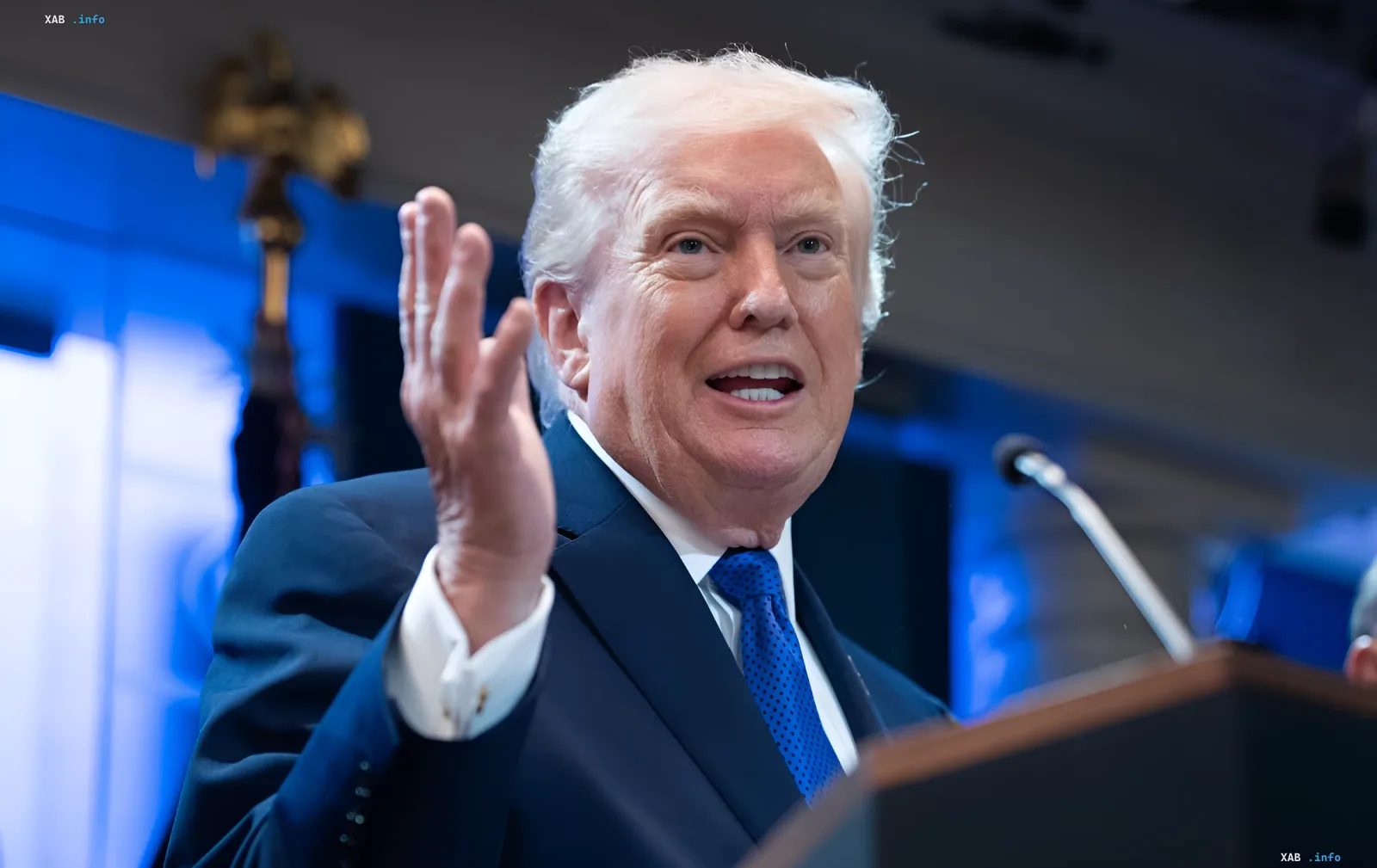
US President Donald Trump has announced the introduction of extensive trade restrictions against Canada. Under the new decision, a 50% tariff has been imposed on a wide range of goods imported from the northern neighbor. This decision marks another round of trade escalation between the two countries, although it will not take effect immediately — both sides have 30 days to prepare.
Reasons and scope of restrictions
The US administration justified the introduction of tariffs by the need to eliminate "unequal treatment" of American manufacturers. In particular, Trump pointed to problems in the automotive, dairy, and alcohol industries. The new tariffs cover a wide range of products, including goods that were previously protected by the United States-Mexico-Canada Agreement (USMCA).
The restrictions affect both familiar consumer goods and industrial materials. The list includes:
- Wine and alcoholic beverages;
- Hockey sticks and sports equipment;
- Cement and construction materials.
Exemptions and Canada's reaction
Despite the severity of the measures, strategically important goods have been exempted from the tariffs. Export restrictions do not apply to energy carriers, potash fertilizers, critical minerals, and fish. This allows key supply channels critical to the economies of both countries to be preserved.
Canadian Prime Minister Mark Carney responded promptly to Washington's statement. He stated that Canada is ready to "step up" trade negotiations with the US in the coming weeks. In his post on the social network X, Carney called Trump's actions "the latest in a series of unilateral trade moves" that violate the terms of the USMCA.
Furthermore, the Canadian leader mentioned "threats to Canada's sovereignty" from the US, likely referring to recent public calls by Donald Trump to make Canada the 51st state of the American union.