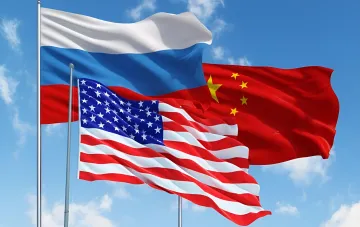
On August 6, 2026, the administration of President Donald Trump took a decisive step in intensifying pressure on Havana. The Office of Foreign Assets Control (OFAC) of the US Department of Treasury announced the imposition of a new package of sanctions against Cuba. Eight high-ranking officials and several military enterprises accused of organizing arms supplies and cooperating with Moscow and Beijing fell under restrictions.
In the Crosshairs: Military Attachés and Mercenary Recruitment
The central element of the new wave of sanctions was the blacklisting of key figures in Cuban military diplomacy. In particular, restrictions were placed on Cuba's military attaché in China, Waldo Perez Cortes, and his colleague in Russia, Monica Milian Gomez. According to the US State Department, these diplomats were responsible for establishing channels for the transfer of military equipment and hardware.
Particular attention in Washington's statement was paid to the role of Monica Milian Gomez. Human rights organizations, including the International Society for Human Rights, report her direct involvement in recruiting Cuban citizens to participate in hostilities on the side of Russia in Ukraine. However, the authorities in Havana categorically deny these accusations, calling them politically motivated fabrications.
Economic Pressure and New Reforms in Havana
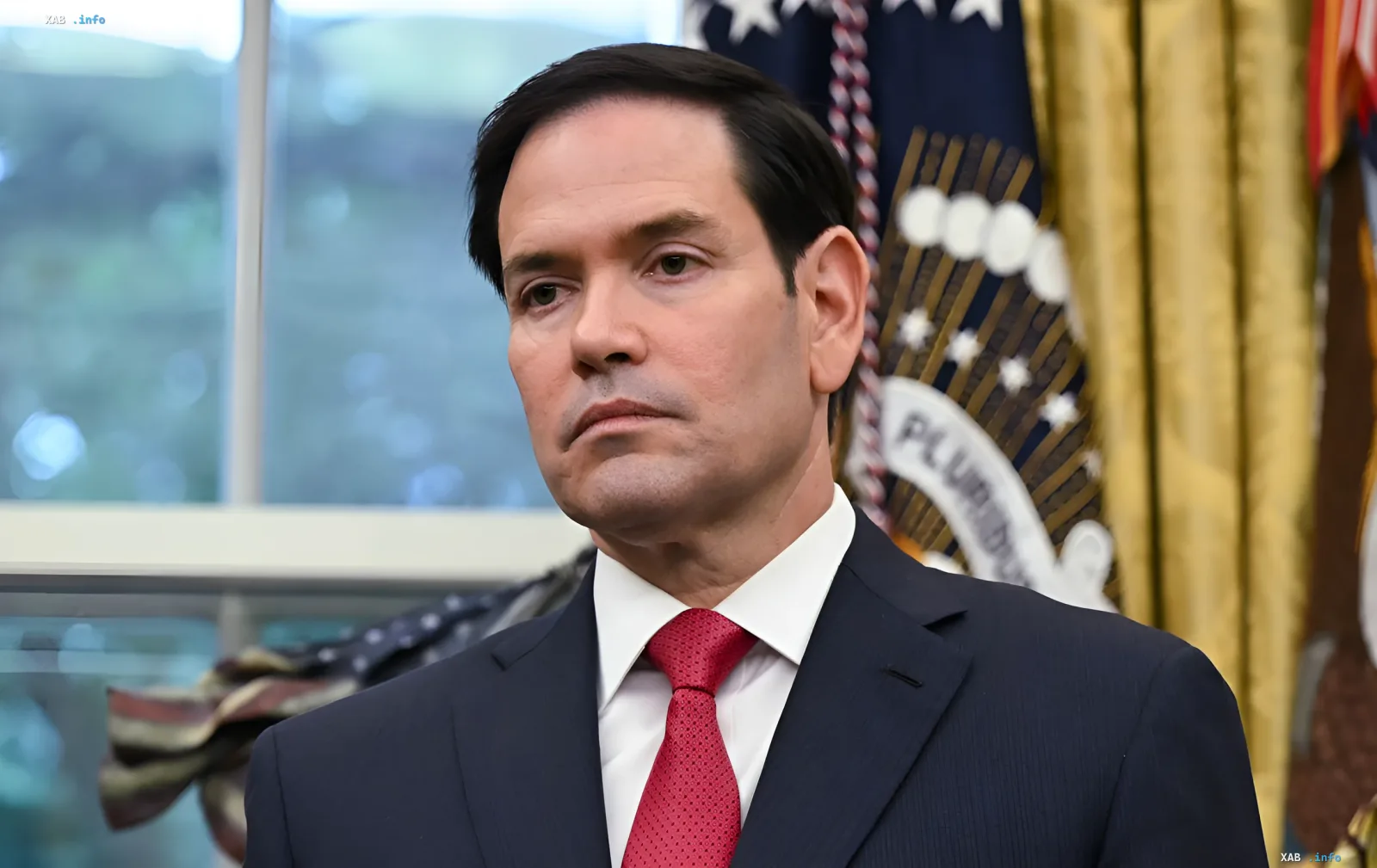
In addition to individuals, five Cuban state-owned enterprises and trading companies operating in the military-industrial sector were hit. US Secretary of State Marco Rubio stated that these measures are designed to protect the national security of the United States and sever supply chains linking the Cuban regime with its external allies.
In response to the escalation of pressure, the Cuban administration announced the introduction of a number of market economic reforms. Official Havana emphasizes that these measures are aimed at saving the economy, but insists that the country's political system is not open for negotiation. Cuban authorities linked recent massive blackouts, which left the island without power for almost two days, to US actions, calling them "genocidal".
Military Aspect: Drones and Threat to Bases
The situation is exacerbated by Cuba's military acquisitions. It recently became known that the island purchased a batch of 300 combat drones. Experts suggest that suppliers could have been Russia and Iran. According to analysts, these drones could be used to attack US military facilities, including bases in Cuba and neighboring countries. This circumstance became one of the key arguments for the imposition of sanctions in August 2026.
Contradictory Data
The question of the scale of Cuba's involvement in the conflict in Ukraine remains a subject of sharp debate. On the one hand, human rights defenders and US intelligence present evidence of the recruitment of Cuban citizens to participate in the war. On the other hand, the Cuban leadership completely denies sending mercenaries, asserting that their citizens do not participate in hostilities. Furthermore, while the US accuses Cuba of receiving weapons from Russia and China, Beijing, in turn, demands that the US lift the blockade, calling the sanctions a threat of genocide.