US intelligence is closely examining Russia's role in recent incidents in the Middle East. According to Reuters, citing four sources, US analysts are trying to determine whether Moscow assisted Iran in striking CIA facilities in Persian Gulf countries. The investigation is gaining momentum against the backdrop of escalating tensions in the region.
Precision of Strikes as Evidence
Although no final conclusions have been drawn regarding Russia's direct involvement in the attacks, intelligence agencies are noting alarming signals. The primary cause for suspicion is the high effectiveness and obvious precision of the strikes against American targets. Experts link this to the extensive technical support Tehran receives from Moscow.
Specifically, analysts have focused on the ballistic missile attack on a US airbase in Jordan on July 17. Two American soldiers were killed in the strike. The event became a catalyst for reassessing threat evaluations: Russia remains one of the few countries with the capability and motivation to use classified information to damage US interests.
Technological Contribution: "Komet-M" and Drones
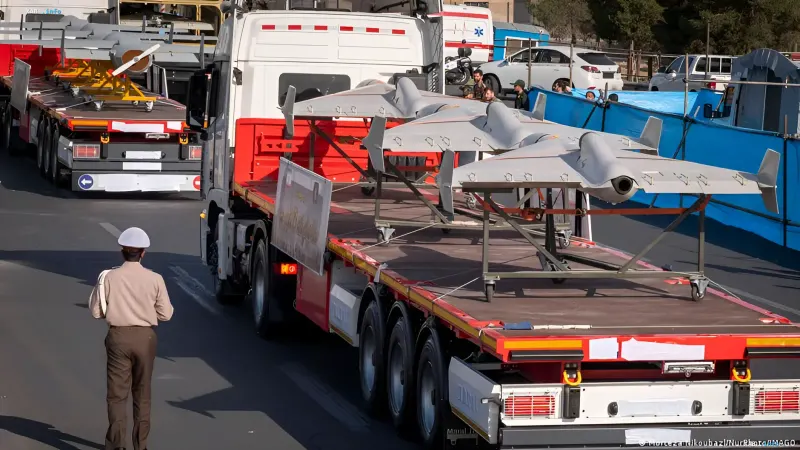
Internal memos from Western intelligence agencies contain assertions about Russia's probable role in preparing the attacks. Two Western officials working in Persian Gulf countries and briefed on the reports point to specific technical details. According to them, the March attack on a CIA facility located within the US embassy in Saudi Arabia was carried out using two Iranian Shahed drones upgraded with Russian assistance.
One of the key elements of the upgrade, according to Reuters sources, was the installation of the Russian "Komet-M" satellite navigation system. Experts note that this system is significantly harder to jam and offers far greater accuracy than Iranian analogues. It was precisely this technological upgrade that allowed Shahed-136 drones to hit targets with high probability.
Disagreements in Assessments and Diplomacy
The topic of Russian involvement in the attacks remains a subject of debate. While some sources suggest that Iran may have targeted the embassy directly, with the hit on the CIA facility being accidental, others insist on the targeted nature of the actions.
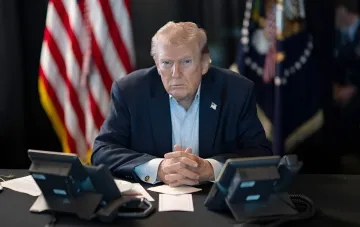
Earlier, in March, the American newspaper The Wall Street Journal reported on Russia transferring the "Komet-M" system to Iran and providing general assistance in countering the US. The Kremlin categorically denied this information, calling it fake news. The situation is complicated by contradictory statements at the US leadership level. Special Presidential Envoy Stephen Witkoff stated that Washington believes Russia's assurances that it is not passing intelligence to Iran. At the same time, the American leader himself admitted that Moscow "helps a little" Tehran.
At present, the investigation continues, and the US side continues to monitor the situation, trying to understand the real scale of Russian influence on Iran's military actions in the region.