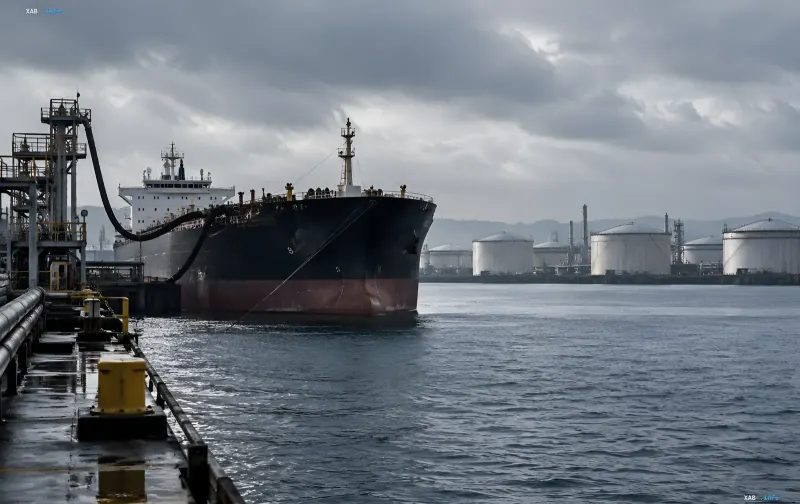
On Friday, November 20, 2026, the United States announced a new package of sanctions targeting key figures through whom, according to Washington's assessment, Iran secures the export of its oil abroad. This was reported by the press service of the US Department of the Treasury, as relayed by RBC-Ukraine. Four Iranian nationals whom US authorities consider participants in schemes for selling Iranian oil and repatriating revenue from abroad were included in the Office of Foreign Assets Control (OFAC) sanctions list. Inclusion in the list entails the blocking of their property and assets within the United States and a ban on any transactions with them by US persons and companies.
Who Was Hit by the Restrictions
Among the figures is Mohammad Javad Bavand, a former intelligence officer of the Islamic Revolutionary Guard Corps (IRGC), who, according to the Treasury Department, led a group of intermediaries tasked with recovering oil revenue from third countries. Also added to the list is Majid Taj, the brother of Mehdi Taj, the president of the Iranian Football Federation, who was listed among Bavand's contacts. The sanctions also targeted Mohammadhossein Servati, the son of an IRGC brigadier general, who held leadership positions in front companies that acted as intermediaries and received batches of Iranian oil for delivery to independent Chinese refineries. According to the US agency, he worked with structures associated with Sepehr Energy Jahan Nama Pars, through which oil was accepted for subsequent shipment to independent Chinese refineries.
Connection to Mahan Air and Military Financing
The fourth figure is Mojtaba Arabnezhad—the son of sanctioned businessman and CEO of the Iranian airline Mahan Air, Hamid Arabnezhad. According to the Treasury Department's statement, using family ties and special contacts with the IRGC, he participated in procuring aviation spare parts for Mahan Air and supplying weapons to the Iranian armed forces under the cover of agricultural companies. Like the other listed individuals, Arabnezhad, according to the agency, managed oil sales on behalf of the Iranian regime, the proceeds from which were directed to support his father's airline.
Goals of Sanctions Pressure
According to the US Department of the Treasury, the figures collected funds from illegal sales of Iranian oil, keeping a portion of the revenue for personal use while also facilitating the funding of the regime's military and regional activities. Thus, the new package of restrictions aims to sever the channels through which Tehran, in Washington's view, circumvents existing restrictions and generates income from hydrocarbon exports. The restrictions take effect from the moment of publication in the Federal Register and apply to all assets and obligations of the listed individuals that are within US jurisdiction or in the possession of US persons.
Broader Context of Pressure on Iran
The new measures were introduced amid ongoing rhetoric surrounding Iran's nuclear program. Recently, Israeli Prime Minister Benjamin Netanyahu stated the need to permanently eliminate the threat from Iran, claiming that Tehran is once again trying to resume its nuclear program. US sanctions policy regarding Iran's oil sector continues to be a key tool of economic pressure, complementing restrictive measures applied to other jurisdictions that same November.