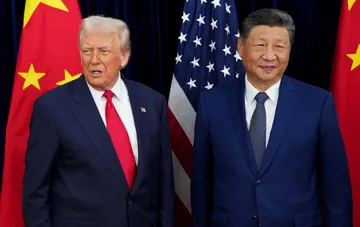
Senate Democrats in the United States have sharply criticized the outcomes of the recent summit between President Donald Trump and Chinese leader Xi Jinping. The primary grievance raised by American lawmakers was the complete absence of tangible steps by Washington to curb the widespread circumvention of international sanctions that continue to sustain Russia's war machine. According to the opposition, high-profile declarations regarding the necessity of immediate de-escalation on the international arena remain empty words, while Beijing continues unhindered supplies of dual-use goods to Moscow.
Grievances Over Summit Outcomes and Economic Pressure
In a joint official statement, the Democratic senators stressed that the Donald Trump administration has demonstrated a striking six-month inaction regarding enforcement of sanctions against nations helping the Kremlin bypass restrictions. Lawmakers noted that instead of confronting China's unfair trade practices, technology theft, and continued support for Russian aggression, the American leader opted for diplomatic pageantry. According to Democratic representatives, rather than focusing on concrete goals, the White House chose "grandeur," trading actual work for social events and dinners, while ignoring Russian oil purchases and dual-use technology exports.
Legislative Initiatives and the Lindsey Graham Memorial Act
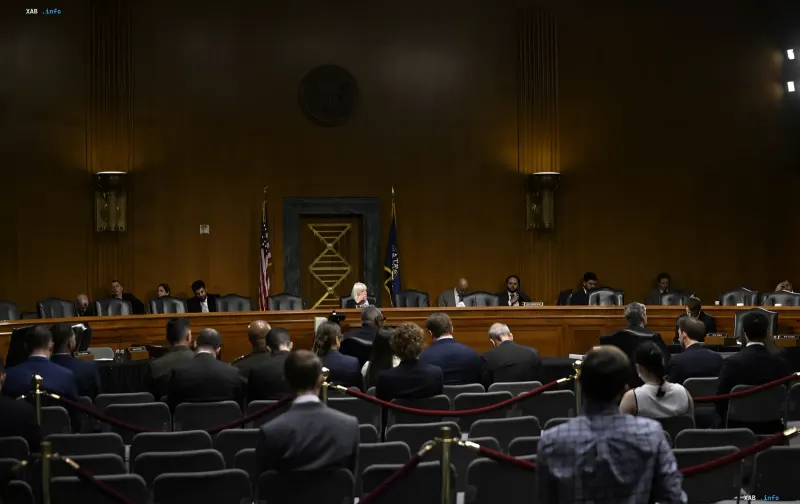
Amid ongoing political debates, the fate of strict restrictive measures has attracted significant attention in Congress. A day prior, on September 16, 2026, the US House of Representatives approved an initiative known as the Lindsey Graham and Richard Blumenthal bill. This document envisages the introduction of severe sanctions and sweeping tariffs against the Russian Federation, as well as against countries assisting in bypassing restrictions or continuing to purchase Russian energy resources. The document also grants US executive authorities the legal power to impose secondary tariffs on major buyers of Russian oil.
Controversial Data
Significant discrepancies and discussions persist within the expert and political community surrounding US sanctions policy. On one hand, the Ukrainian side, represented by the leadership of the Verkhovna Rada and the President of Ukraine, actively welcomes the promotion of sanctions under the "Graham Act," viewing it as a transition from words to real economic pressure on the aggressor. On the other hand, some American analysts and observers express concern that the current administration might attempt to use new tariff and sanctions levers exclusively for its own narrow political or economic interests, which is why the adoption and implementation of key anti-Russian laws are being delayed. Furthermore, Beijing has already expressed strong dissatisfaction and sharp criticism regarding the restrictions introduced by Washington, adding tension to US-China relations.
Expert Assessments and Future Consequences
Senate Democrats insist that if the White House is genuinely committed to achieving long-term peace and ending the war initiated by Vladimir Putin, authorities must immediately begin responsible implementation of the sanctions law against Russia and Iran. Diplomatic dialogue with China, according to the senators, remains necessary to prevent global conflict and protect the national interests of the United States, yet the current summit results have clearly fallen short of the expectations of lawmakers and the international coalition supporting Ukraine.