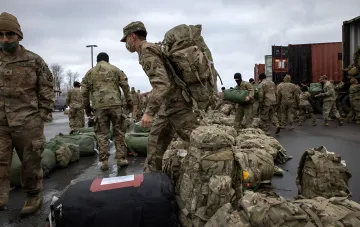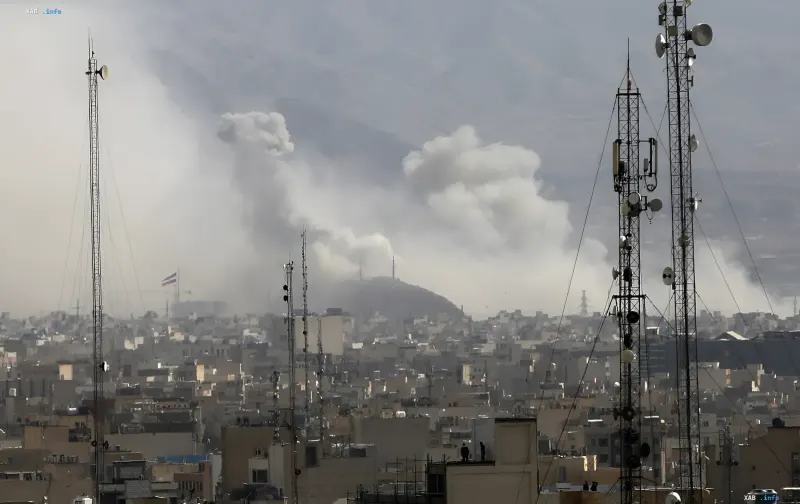
At 6:00 AM Eastern Time, the US Central Command (CENTCOM) launched a new wave of strikes on Iran. This was reported by RBC-Ukraine citing a military statement. An official representative of the command emphasized that the attacks are intended to further weaken the military capabilities that Iranian forces use to attack commercial shipping in the Strait of Hormuz.
Deterrence Strategy
The CENTCOM statement does not specify the number of targets or their exact locations. However, the context of the operation clarifies Washington's strategic intentions: to prevent a recurrence of scenarios where Iranian forces could paralyze key maritime arteries. Experts note that Tehran views an alliance with the Houthis in Yemen as a way to replicate the pressure tactics on the Strait of Hormuz, but in a different region — the Bab el-Mandeb Strait.
Threat from the South
Tensions in the region are escalating. On July 13, a Yemeni official warned that Houthi armed forces are ready to block the Bab el-Mandeb Strait, which connects the Red Sea with the Gulf of Aden. This threat creates a double risk for the global market: blocking two critically important straits simultaneously could lead to a global disruption of logistics chains.
Market Reacts Instantly
Financial markets reacted to the escalation of the conflict with a sharp rise in quotes. Against the backdrop of news about a new wave of US strikes, oil prices rose again — Brent futures climbed to $85.72 per barrel. Analysts warn that further escalation of the conflict could push the cost of "black gold" to the psychologically important mark of $100 per barrel.