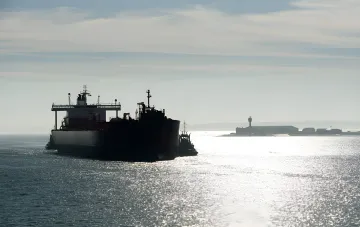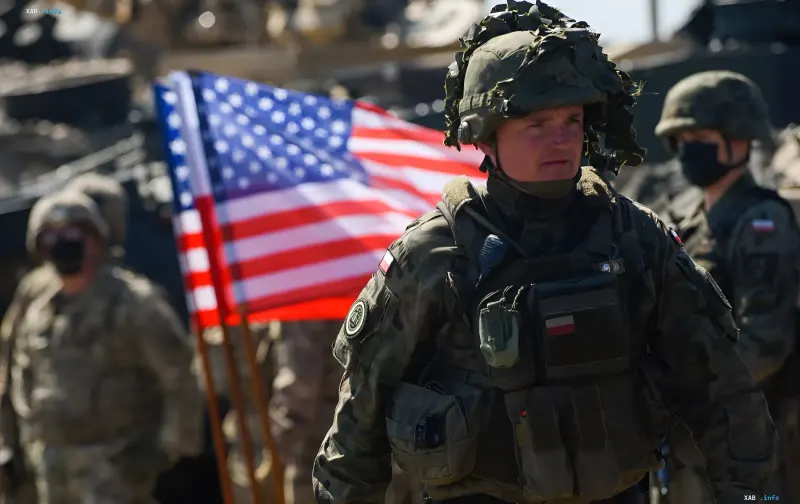
Amid a critical escalation of the situation in the Middle East, US military forces have launched a large-scale operation against Iran. The US Central Command (CENTCOM) has confirmed a series of strikes on key military facilities within the Islamic Republic. The operation serves as a response to Tehran's ongoing aggression in the strategically vital Strait of Hormuz.
Objectives and Scale of the Operation
According to an official statement from the command, the new round of strikes concluded on July 20 at 9:00 PM US Eastern Time. American forces demonstrated high precision, targeting a wide range of enemy military assets. The list of targets included:
- Military command centers;
- Naval capabilities of the Iranian fleet;
- Launch sites for missiles and unmanned aerial vehicles (drones);
- Air defense systems.
CENTCOM clearly outlined the strategic objective of the operation: to degrade Iran's ability to continue attacks on commercial vessels transiting this vital maritime artery.
Causes of Escalation and Conflict Context
This latest strike represents another turn in the rising tension between Washington and Tehran. The situation deteriorated after agreements to cease fire in the strait area effectively collapsed. In recent weeks, Iran has repeatedly attacked civilian and merchant ships, forcing the US and its allies to take active measures.
Command representatives have previously stated that US forces are prepared to hold Iran accountable for unjustified aggression against civilian sailors. The priority remains ensuring the free and unimpeded passage of ships through the strait.
Risks to the Global Economy
While military actions continue, diplomatic efforts to de-escalate the conflict have reached a deadlock. Negotiations between the parties have yielded no breakthrough, remaining at a standstill. Mutual strikes not only exacerbate risks to shipping but also pose a serious threat to the stability of the global oil market.
The situation reached a peak of tension on July 19, when relations between the countries approached a full-scale conflict. The exchange of strikes on civilian and military facilities resulted in the deaths of three American soldiers, serving as a powerful catalyst for Washington's retaliatory measures.