In the waters of the Persian and Oman Gulfs, in the area of the strategically important Strait of Hormuz, large-scale oil spills have been recorded. Satellite images and video footage obtained from independent sources indicate the formation of two huge oil slicks that could lead to a serious ecological disaster. The incident has affected the waters off the Iranian islands of Qeshm and Sirri, as well as threatening the ecology of the Omani coast.
Scale of Pollution and Geography of the Incident
According to monitoring data, one of the slicks formed off the southern tip of Qeshm Island — a large island shaped like a dolphin, located in the very heart of the Strait of Hormuz. Images from the Copernicus project satellites (Sentinel-2) show the contrast between the turquoise water of the gulf and the dark oil film. On the beaches of the city of Soor on Qeshm Island, "boiling dark liquid" washed ashore has already been observed.
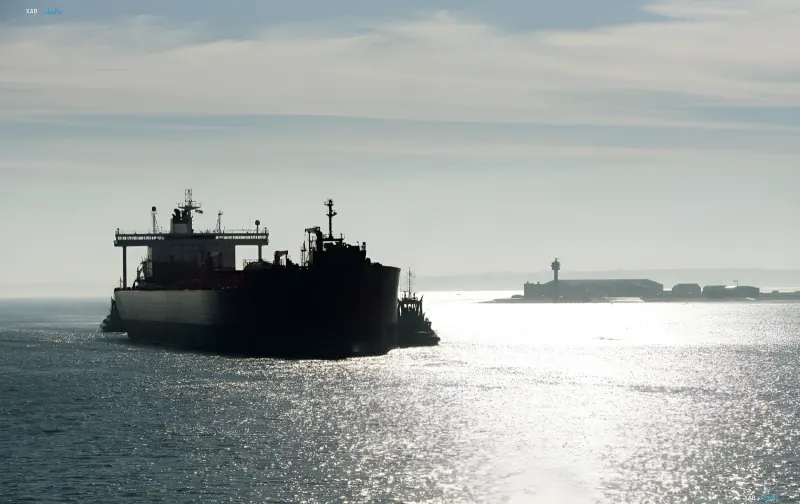
A second, even larger slick, was discovered off the coast of Oman, outside the Strait of Hormuz. Preliminary estimates suggest the polluted area reaches 2,000 square kilometers. In this area, the presence of the vessel Caroline Bezengi, which previously ran aground, has also been recorded. Experts note that oil is leaking into a protected marine zone, creating a threat to the unique ecosystem of the region.
Theories of Causes: From Accidents to Military Actions
Against the backdrop of growing geopolitical tension in the region, the exact causes of the spills remain a subject of active debate. Sources in the maritime security service link the pollution off Qeshm Island to an incident that occurred on August 3. According to their data, the Minoan Pioneer, a bulk carrier flying the Liberian flag, was hit by an unknown projectile off the coast of Oman. The probability of an attack by Iranian forces during the passage through the Strait of Hormuz is assessed as high.
Simultaneously, pollution has also been recorded in the area of Sirri Island, located in the center of the gulf. This area is a key zone for oil and gas extraction on the Iranian shelf. Reuters notes that it could not independently confirm the cause of the appearance of the slicks, nor identify the chemical composition of the spilled substances.
Contradictory Data
Currently, there are discrepancies in the interpretation of events by various parties. On the one hand, some sources directly link the spill off Oman to the tanker Caroline Bezengi, which, according to media reports, is carrying Russian crude oil. However, other experts point out that this incident may not be directly related to military actions in Iran.
On the other hand, the UAE Ministry of Foreign Affairs on August 13 accused Iran of attacking ships in the strait, and the state oil company ADNOC reported an attack on two of its vessels. At the same time, the US Central Command reported an attack on the Panama-flagged vessel Vela Nova, which, according to them, was attempting to violate the American blockade. In such a situation, it is difficult to distinguish the consequences of military strikes from technical accidents or incidents related to ship collisions.
Environmental Consequences and Cleanup Difficulties
Brian Barnes, a satellite oceanographer from the University of South Florida, warned that the conflict in the region critically complicates efforts to assess and clean up the spills. "The longer oil remains in the environment, the more it spreads and damages ecosystems and coastlines," the expert noted.
The Persian Gulf is already an area with a fragile ecological balance. The entry of a huge volume of oil into the waters threatens the death of marine fauna, pollution of coastal waters used for desalination, and long-term damage to fisheries and tourism in Iran, Oman, and neighboring countries.