On August 15, 2026, news emerged of a serious humanitarian crisis developing against the backdrop of a prolonged military confrontation in the Middle East. General Mohammad Bagherzadeh, a high-ranking representative of the Armed Forces of the Islamic Republic of Iran, officially stated that three Iranian pilots had been captured by Qatari forces. Pilots Javad Salehi, Abdolmajid Dashtian, and Omran Behraveshian have been in captivity for six months, a result of an incident that occurred in early March of the current year.
Details of the Capture and Appeal to the ICRC
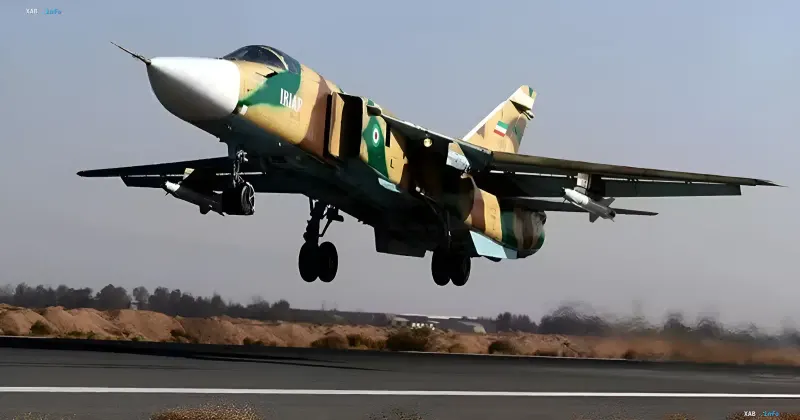
According to a statement by General Bagherzadeh published by the Fars news agency, the three pilots were captured after their Su-24 fighter jets crashed during combat operations. In an official letter to the International Committee of the Red Cross (ICRC), Bagherzadeh detailed the conditions of the prisoners of war. He claims that the pilots are forbidden from meeting their families or maintaining any contact with them, which constitutes a direct violation of international norms.
Iranian officials cite the Geneva Convention, which clearly regulates the rights of prisoners of war. According to the document, detainees must have the opportunity to notify their families and the ICRC Central Tracing Agency of their capture. Furthermore, the convention provides prisoners of war with the right to submit complaints and requests to protecting power representatives, as well as the right to medical examination and repatriation in case of serious illness or injury.
Timeline of the Conflict and the Attack on Al Udeid
The roots of the current crisis go back to events on February 28, 2026, when the US and Israel launched large-scale airstrikes on Iranian territory. In response to these actions, Tehran launched a counter-offensive across the region. As a direct retaliatory measure, two Iranian Air Force Su-24 bombers penetrated the enemy's advanced radar network and air defense systems, launching an attack on the strategically important Al Udeid Air Base in Qatar.
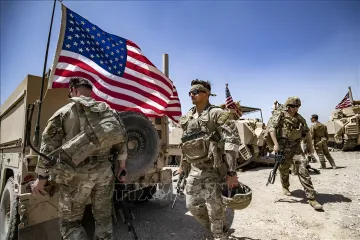
Al Udeid Air Base is the largest US military base in the region, hosting advanced units of the US Central Command (CENTCOM), as well as air forces and special operations forces. On the return trip, flying over the Persian Gulf, the Iranian aircraft were detected and attacked by enemy air defense systems, after which they crashed. In July, Iranian military officials announced the discovery of the body of pilot Majid Kazemi, one of the participants in that operation. Information about the fate of the other pilots has not been disclosed until now.
Contradictory Data
The question of the status of the Iranian pilots remains the subject of sharp diplomatic debate. On one hand, Iran provides the names of the pilots and claims they are in the custody of Qatari forces, citing the lack of contact with their families. On the other hand, Qatari officials categorically deny these allegations. Specifically, source ID 3 (dw.com) reports that Qatar denied the information regarding the detention of Iranian pilots, calling Tehran's claims unfounded.
This creates a situation where one side demands the intervention of humanitarian organizations to verify the conditions of the prisoners, while the other side denies the very fact of their presence on its territory. The lack of independent confirmation from the ICRC or other international observers currently leaves the situation in limbo, heightening tensions in the region.
Diplomatic Deadlock and Prospects
Although diplomatic efforts in April 2026 led to a ceasefire between the US and Iran, ending an almost 40-day active conflict, the peace process proved fragile. In June, both sides signed a memorandum of understanding on peace negotiations, but subsequently, this process collapsed. Since then, Iran and the US have periodically exchanged strikes, with hostilities concentrated in southern Iran and the strategically important Strait of Hormuz.
Since late July, hostilities have temporarily subsided, but neither side has yet found a way out of the conflict, which has lasted almost six months. Iran's demand for the immediate release of the pilots and a check on their health adds a new layer of complexity to already tense relations, making the fate of the three pilots a central element of the current diplomatic agenda.