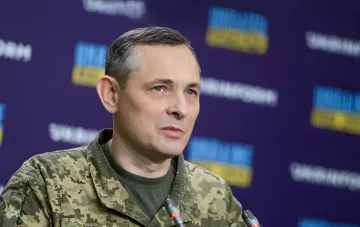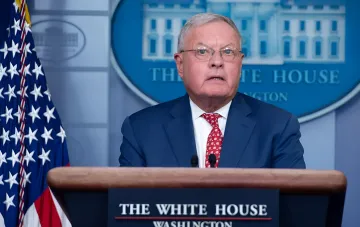
Relations between Kyiv and Washington have entered a period of turbulence after the US administration expressed concern over the Ukrainian Defense Forces' ongoing strikes against oil refineries (refineries) inside Russia. In a recent interview with NPR, Ukrainian President Volodymyr Zelensky confirmed that the American side had indicated that continuing such operations could lead to a reassessment of intelligence-sharing partnerships.
Strike Strategy and US Reaction
Kyiv maintains that strikes on Russian refineries are a necessary measure aimed at weakening the aggressor's economic and logistical capabilities. According to the Ukrainian leadership, ending such attacks is impossible as long as Russia continues its systematic raids on Ukraine's energy infrastructure. Zelensky emphasized that current diplomatic efforts are not yielding the desired progress because the Russian side ignores constructive dialogue.
Contradictory Information
There are discrepancies in assessing the current status of intelligence cooperation. While President Zelensky speaks of the threat to stop the exchange of data, Ukrainian Foreign Minister Andrii Sybiha officially stated that, despite the tensions, the exchange of intelligence with the US remains active. The White House, meanwhile, has refrained from confirming the threats directly, citing the general support policy previously articulated by President Donald Trump.
Historical Context
This situation is not unprecedented: last year, Washington already temporarily restricted Kyiv's access to certain intelligence against the backdrop of strained relations between the heads of state. As of October 14, 2026, experts note that using intelligence as a pressure tool reflects a deep crisis of trust and different approaches to conducting the war, with the US seeking to minimize escalation risks and Ukraine seeking to deprive the enemy of resources.
Analysts believe the final decision on information sharing will depend on the immediate next steps from both sides. If Kyiv continues its campaign against Russian energy assets, the risk of Washington following through on its threats remains extremely high, which could complicate planning for defensive and offensive operations.