New Blow to Tehran's Shadow Banking System
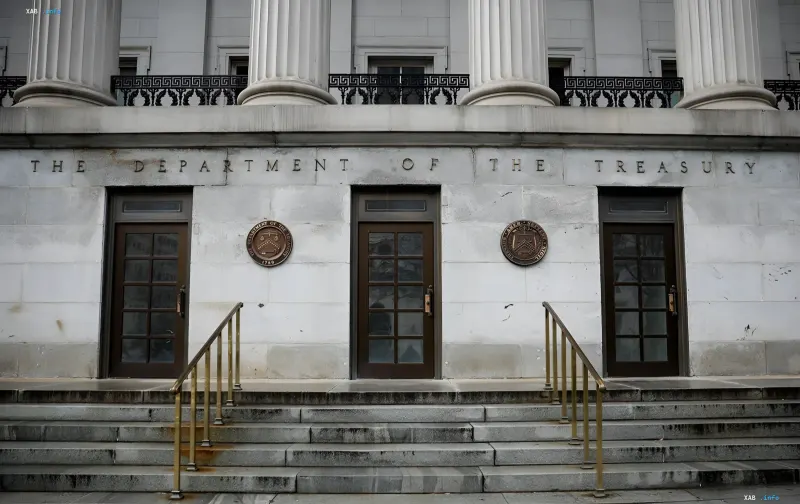
On August 7, 2026, the U.S. Department of the Treasury announced a major operation to dismantle a sprawling network of currency exchange houses and shell companies used by Iran to secretly move hundreds of millions of dollars through the global banking system. As stated by State Department spokesperson Tommy Pigott, the measures taken are aimed at completely dismantling the mechanisms that allow Tehran to bypass international sanctions and fund its programs.
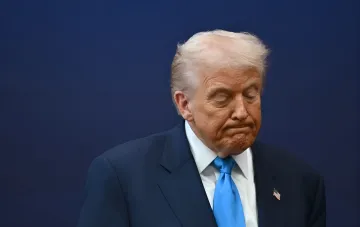
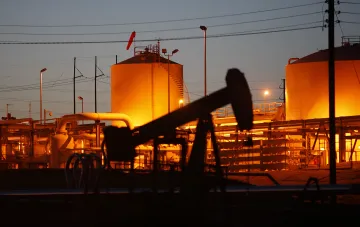
The operation is part of the "maximum pressure" strategy implemented by the administration of President Donald Trump. According to U.S. authorities, the identified network played a key role in ensuring the financial resilience of the regime under strict restrictions. The dismantling of these channels deprives Iran of the ability to legitimize revenues from oil exports and other resources, as well as to fund proxy groups in the region.
Eighth Strike in 2026
According to State Department information, this is already the eighth action by the Office of Foreign Assets Control (OFAC) this year directed against Iran's "shadow banking system." The regularity of such steps indicates Washington's systematic approach to combating Tehran's financial schemes. U.S. officials emphasize that each dismantled network inflicts significant damage on Iran's economy, limiting its capabilities on the international stage.
As part of this campaign, earlier on July 29, 2026, two Iranian companies and eight tankers suspected of involvement in illegal operations were subjected to economic restrictions. These measures supplement previous sanctions imposed on key figures and structures linked to the Islamic Revolutionary Guard Corps (IRGC).
Contradictory Data
Despite the official statement regarding the dismantling of the network, there are disagreements regarding the effectiveness of these measures. On one hand, U.S. authorities claim that the operation dealt a crushing blow to Iran's financial channels. On the other hand, some experts note that Tehran possesses significant experience in bypassing sanctions and can quickly create new schemes for moving funds. Furthermore, it was previously reported that sanctions were lifted on two aircraft and three airlines linked to the IRGC, raising questions about the consistency of U.S. policy.
Regional Consequences
The dismantling of the network of exchange houses and shell companies could have serious consequences for regional security. Financial restrictions weaken Iran's ability to support its allies in Syria, Yemen, and Lebanon, which could lead to a shift in the balance of power in the Middle East. However, experts warn that this could also provoke an escalation of tensions if Tehran decides to respond to U.S. actions.