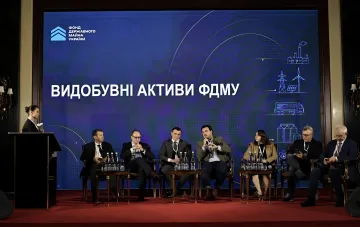
The US-Ukraine Investment Recovery Fund has officially signed its first agreement in the critical minerals sector and launched a portfolio of four key projects worth approximately $70 million. This initiative is designed to demonstrate long-term financial and economic support for Ukraine from the United States amid the ongoing full-scale war and massive destruction of national infrastructure.
Background and Strategic Areas of the Fund
The establishment of the fund was a practical outcome of the interstate mineral resources agreement signed by Kyiv and Washington in April 2025 at the initiative of US President Donald Trump's administration. The strategic activities of the new financial structure cover five priority areas, with critical minerals development, defense enhancement, energy sector modernization, and critical infrastructure restoration occupying key positions. According to Conor Coleman, head of the investment department at the US International Development Finance Corporation (DFC), the current volume of fund projects has already reached $70 million.
Investments in Rare Earth Metals and BGV Group
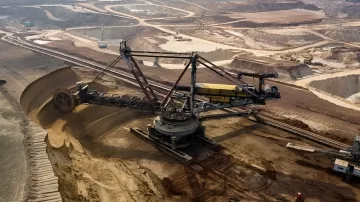
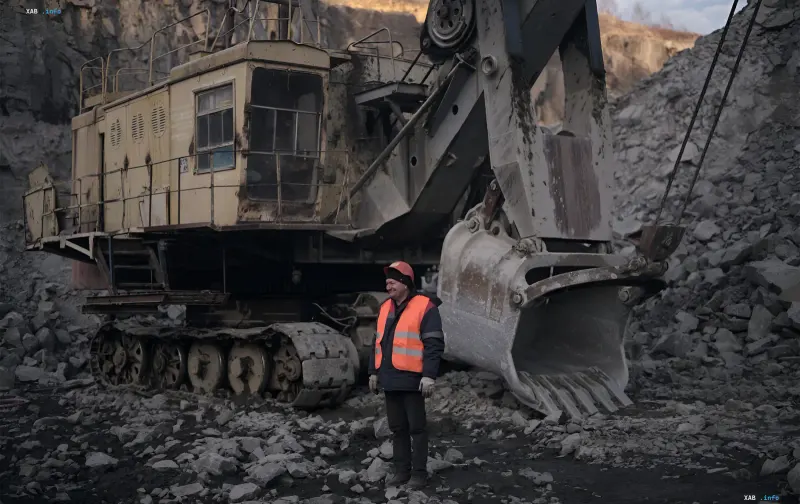
The first major project in the mining sector involves directing approximately $30 million into a joint investment platform with BGV Group. This company was founded by Ukrainian businessman Hennadii Butkevych, who is also known as a co-owner of Ukraine's largest supermarket chain, ATB. At the initial stage, joint efforts will focus on exploration and financing of mining projects at early stages of implementation located across various regions of Ukraine.
Priority Resources and Energy Projects
The fund's focus includes strategically important elements such as rare earth elements, uranium, beryllium, and zirconium, all of which are fully included in the official US list of critical minerals. In parallel, the fund is implementing two major energy and heat supply projects amid ongoing Russian attacks. One of them complements nearly $100 million in financing for the DTEK energy holding to create an advanced backup battery system for 600,000 households, while the second aims to develop combined heat and power infrastructure.