Further increases in Ukrzaliznytsia's freight tariffs amid the ongoing blockade of maritime exports could critically exacerbate the current crisis in the country's mining and metallurgical complex (MMC). At the same time, experts warn about the deterioration of the financial condition of the monopoly itself, which is trying to solve its budget problems at the expense of key industrial partners.
Threat to the Mining and Metallurgical Complex
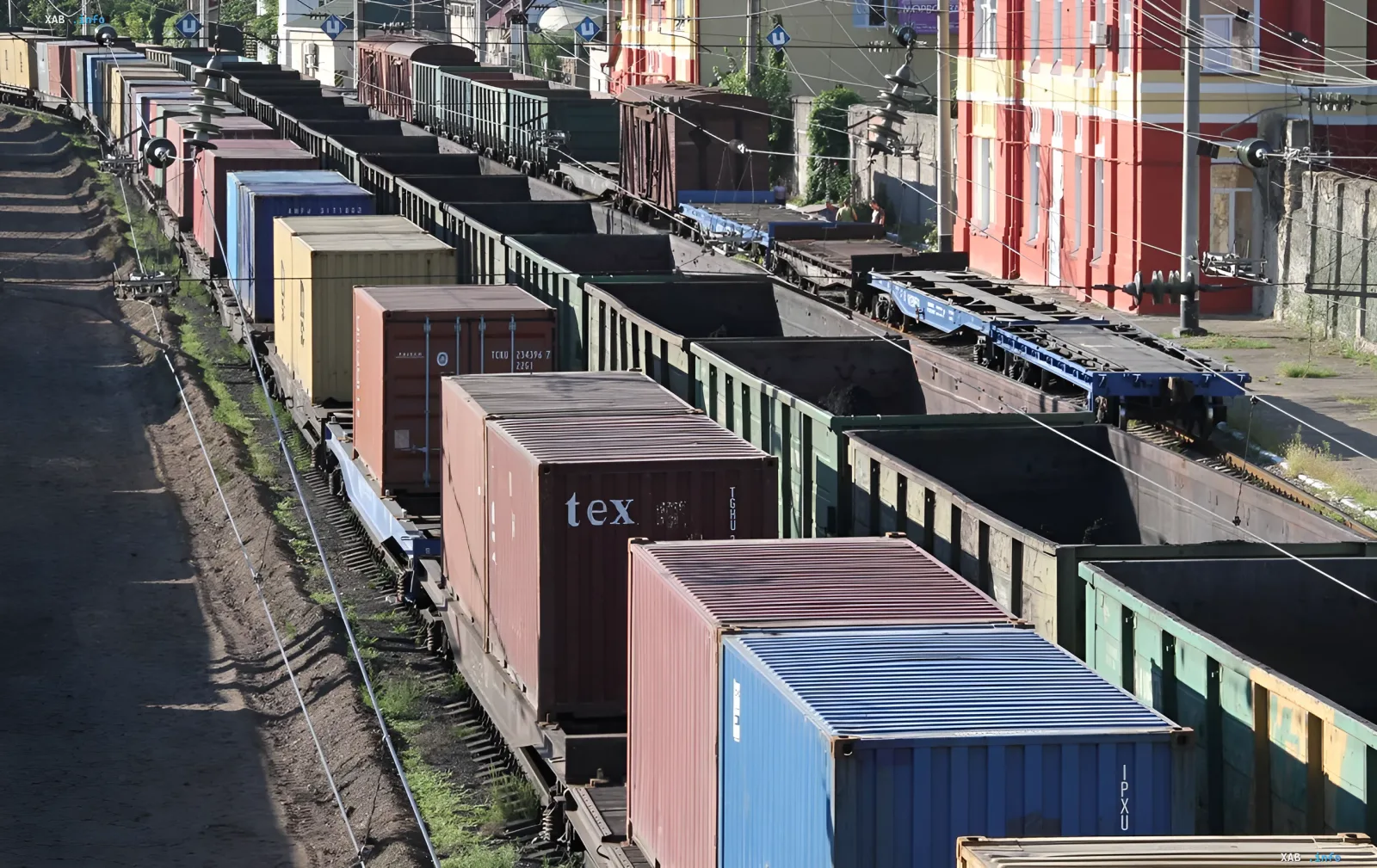
Starting August 1, 2026, Ukrzaliznytsia has already raised freight tariffs by 30%, and another 15% hike is planned for January 1, 2027. For MMC enterprises, these steps have become extremely painful because, after the actual closure of Black Sea ports, railway arteries have turned into the primary and irreplaceable route for product exports. Against the backdrop of simultaneous increases in the cost of land logistics through European Union countries, Ukrainian producers face unprecedented pressure on their production costs.
Analytics of Freight Volume Decline
According to GMK Center analysts, another wave of tariff hikes threatens to trigger a new destructive cycle of cargo traffic contraction. Statistics already show negative dynamics: in 2025, UZ freight traffic decreased by 7.8%, and in the first half of 2026, the drop amounted to another 6.2%. Mining companies have proved most vulnerable in this situation, lacking the technical ability to redirect heavy cargo to road transport, which inevitably leads to a loss of competitiveness in foreign markets.
Contradictory Data
On one hand, the management of Ukrzaliznytsia justifies the need for tariff indexation by the necessity to cover losses in the passenger sector and maintain critical infrastructure amid large-scale destruction. On the other hand, industrialists and industry experts insist that cross-subsidization and constant pressure on the industrial core of the economy produce the opposite effect. As Metinvest Chief Operating Officer Oleksandr Myronenko noted, by raising rates with blocked ports and a negative trade balance—where imports grew by 26% over the first eight months of 2026 while exports grew by only 1%—the transport monopoly is essentially acting against its own long-term interests.
Alternative Ways to Save Logistics
The expert community and the Ukrmetalurgprom association, which appealed to the country's leadership with a call to cancel the August increase, propose a set of systemic measures. Instead of endless tariff growth, it is proposed to introduce a moratorium until the end of martial law, ensure full budgetary funding for passenger transportation, and attract international assistance. In addition, it is critically important to introduce preferential tariffs for enterprises located within a 150 km zone from the front line and conclude intergovernmental agreements with the EU on through preferential rates.