Voting Details and Extension Procedure
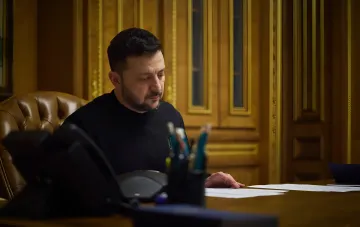
During the parliamentary session, the initiatives of the head of state received the necessary support from the deputy corps. A vast majority of 293 parliamentarians voted in favor of the draft law extending martial law. Meanwhile, 281 deputies cast their votes to extend the general mobilization period. For the documents to enter into force following the vote in the session hall, they must be signed by Verkhovna Rada Chairman Ruslan Stefanchuk and President Volodymyr Zelenskyy.
The extension covers a standard three-month period starting from late October 2026. Such decisions have been regularly made by the parliament since early February 2022 as part of measures to ensure state defense capabilities and repel armed aggression. The legislative procedure requires the phased approval of presidential decrees every 90 days.
Legal Consequences and Mobilization Rules
The introduction and extension of martial law entail the maintenance of a special legal regime that grants state authorities and security forces additional powers. Specifically, provisions remain in place for imposing curfews, restricting public events, and stepping up the protection of strategic infrastructure facilities. Regulations concerning the utilization of resources for defense needs also remain active.
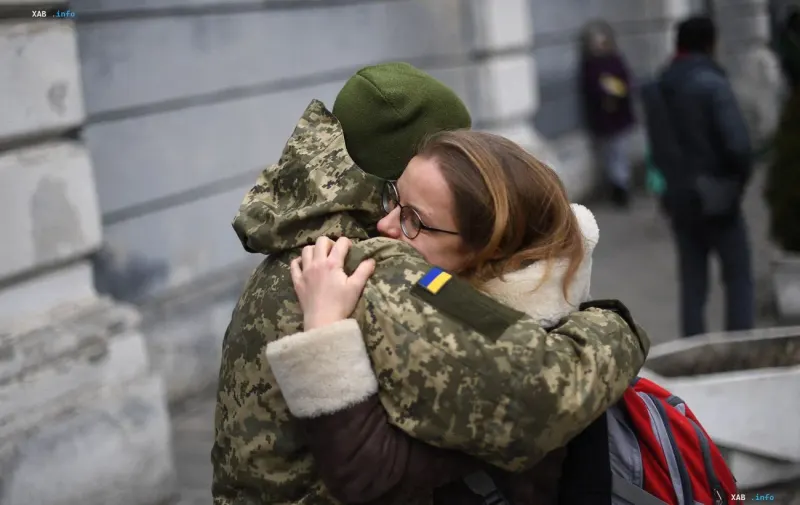
General mobilization regulates the conscription of liable citizens to perform defense tasks. Men aged 25 to 60 who are deemed fit for military service and have no legal grounds for deferment or reservation are subject to conscription. Specific categories apply to men aged 18 to 25, such as reserve officers, while women registered for military service may serve on a voluntary basis.
State Policy Context and Defense Objectives
The regular extension of mobilization and martial law terms is part of the continuous governance process amid ongoing hostilities. Previously, the country's leadership stated its intention to maintain the active personnel strength of the Ukrainian army at a target level of 800,000 service members. Concurrently, the government is adjusting employee reservation procedures to balance front-line needs with the stable functioning of the rear economy.