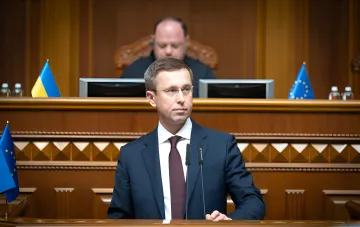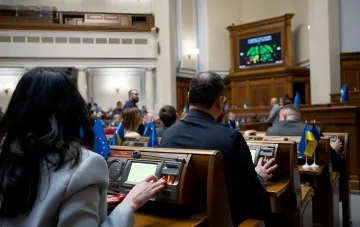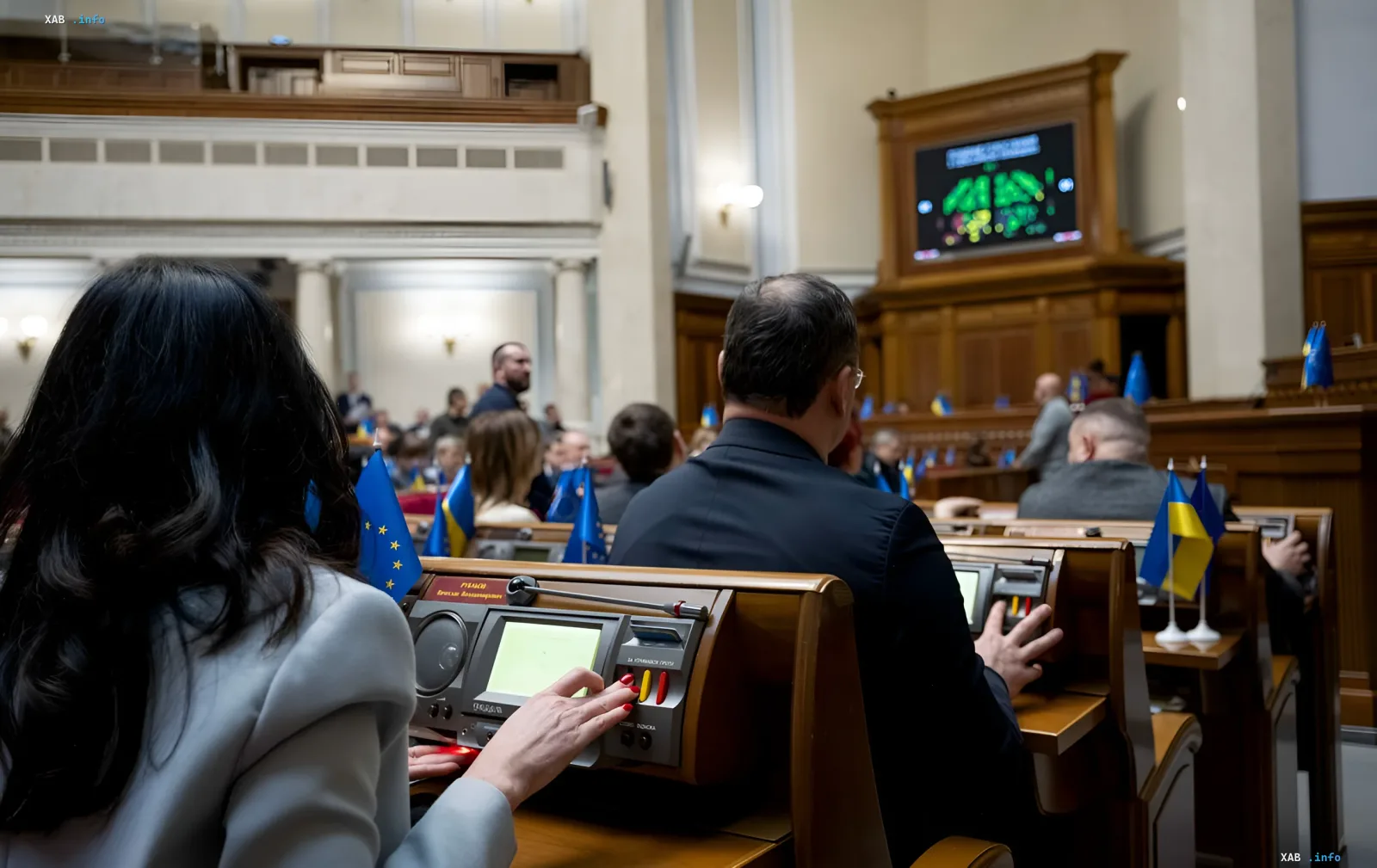
The Verkhovna Rada of Ukraine is considering a fundamentally new format of work amid ongoing air threats. According to a source in the parliament, a so-called “Plan B” is being discussed, which would allow people's deputies not to interrupt sittings and not to leave the parliament building during declared air alerts. The key idea is that when the sirens sound, deputies would descend to basement premises, which already function as a shelter, and continue their work, including voting, through a mobile application with personal verification.
“Plan B”: the basement instead of relocation
As the publication's interlocutor explained, the main principle of the new format is to keep the parliament working in its regular building without the need for evacuation or relocation to a separate shelter. “Of course, they are looking for a ‘Plan B.’ So that we do not have to move out of the parliament building, but during alerts descend to the basement, which serves as our shelter, and do not interrupt the sitting,” the source noted. The issue was scheduled to be discussed at a meeting of the Coordinating Council, which took place at 15:00. At the same time, the interlocutor emphasized that a final decision had not yet been made at the time of his statement.
Verification: how to confirm that a deputy is in the building
The central technical element of “Plan B” is becoming a personal verification system within the mobile voting application. According to the source, the application must confirm that a specific people's deputy is physically present in the building of the Verkhovna Rada, rather than voting from home or another location. This is critically important for ensuring the legitimacy of decisions made under emergency conditions. The mechanics of such location binding, as well as the issues of data protection and the stability of connectivity in basement premises, remain subjects of further refinement.
Context: alerts over Kyiv and jet-powered UAVs
The review of the parliament's working format is driven by regular air alerts in Kyiv and the Kyiv region, which are declared against the backdrop of launches by Russian military forces of jet-powered unmanned aerial vehicles at the capital and surrounding areas. Since the start of the full-scale war, the Verkhovna Rada has not held sittings during air alerts — every siren meant a suspension of work and deputies descending to a shelter until the all-clear. The new approach, if approved, would become the first precedent of continuous parliamentary work under active air threats.
Contradictory data
There is a discrepancy between the source's statement and the official position of the Verkhovna Rada's press service in assessing the level of readiness. The source directly states that “a final decision has not yet been made” and that the issue is only being discussed at the Coordinating Council. At the same time, the parliament's press service stated that “all necessary measures are already being taken” so that people's deputies can continue working even under alert conditions. Thus, one side characterizes the process as a stage of discussion and exploration of options, while the other — as a stage of active implementation. This divergence in wording may reflect both a difference in what exactly is considered “taking measures” (technical preparation versus a political decision) and the press service's desire not to create an impression of unpreparedness.
What comes next
A final decision on the format of the Verkhovna Rada's work during air alerts is expected after the completion of the discussion at the Coordinating Council and, presumably, after a corresponding procedural decision by the plenary session. If “Plan B” is approved, the parliament will become the first state body in Ukraine to systematically continue legislative work under active air attacks, which will require both technical and legal refinements to the current rules of procedure.