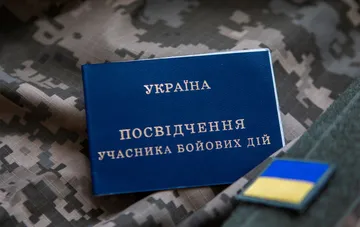
A new service has appeared on the state digital portal Diia — an extract from the Unified State Register of War Veterans. The document allows individuals to confirm their veteran status and can be used when applying for state benefits and social guarantees. This was reported by the Ministry of Veterans Affairs of Ukraine, as cited by RBC-Ukraine. The feature aims to simplify access to status confirmation for veterans themselves and family members of fallen defenders, who previously had to apply to institutions or collect paper confirmations.
What the New Document Is
An extract from the register of war veterans is an official electronic document that records a person's corresponding status in the Unified State Register. By design, it serves as confirmation for receiving state targeted payments, social guarantees, and other forms of support provided for veterans and their families. In particular, materials from the Ministry of Veterans Affairs emphasize that the document is necessary, among other things, for applying for state targeted support for education. Thus, the extract becomes a universal "key" to a number of public services that previously required separate documentary confirmation of status.
Who Can Use the Service and How to Apply
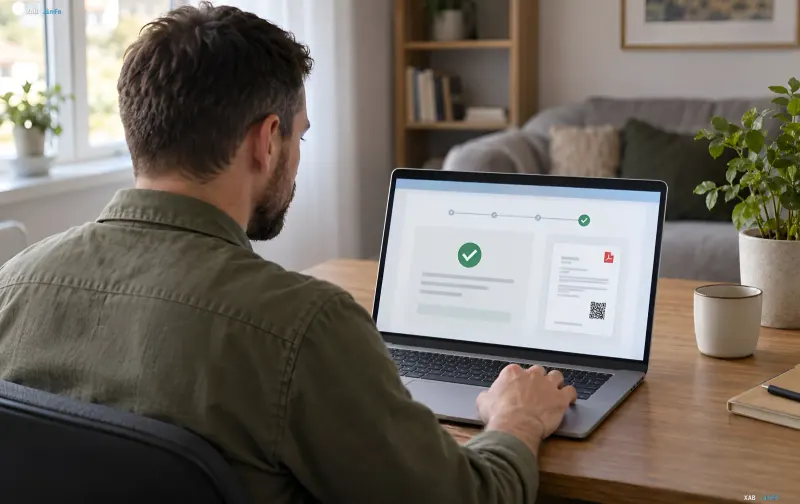
The service is available to citizens whose information has already been entered into the Unified State Register of War Veterans and who hold one of the statuses provided by the register. If information about a person is missing from the register, obtaining the extract through Diia will not be possible — in this case, the issue must be resolved through other channels provided for registration. The application process itself is reduced to a few steps: you need to log in to the Diia portal, open the "Extract from the Veterans Register" service in the "Veteran PRO" section, check the application data, and click "Done". After that, Diia sends a request to the register and, upon processing, sends the result to the user's personal account and email.
What the Extract Looks Like and How to Verify Its Authenticity
If the request is successfully processed, the user receives a PDF file with the extract from the register. The document is equipped with two verification elements: a QR code that allows checking its authenticity, and a qualified electronic signature of the Ministry of Veterans Affairs of Ukraine. This makes the extract a legally significant electronic document that can be presented in state and other institutions without the need for printing and additional notarized or departmental confirmation. This approach aligns with the general logic of digitalization of public services in Ukraine, where electronic documents with a qualified signature are equated to paper ones.
Expansion of Opportunities to Receive via ASC
In addition to the digital channel, opportunities for obtaining the extract through Administrative Service Centers (ASC) have been expanded. Now, the document can be issued not only by the veterans themselves, but also by their children, including those under 23 years of age, as well as legal representatives. This decision removes some organizational barriers for young family members of veterans who need the document, for example, to apply for state targeted support for education. The combination of digital and offline channels makes status confirmation more accessible for various categories of citizens, including those who do not have the opportunity or habit of working with the Diia portal.
Context: Veteran Data Collection and Related Initiatives
The launch of the extract in Diia fits into a broader process of digitalizing work with the veteran community. According to available data, the Ministry of Veterans Affairs and the State Statistics Service of Ukraine will jointly collect data on veterans to better understand where they work, whether they have their own business, and what support they need. The goal of such measures is to form services focused on the real needs of veterans rather than abstract categories. In parallel, a bill was developed in Ukraine providing for veterans and their families to cross the state border out of turn. Together, these steps indicate systematic work on expanding and simplifying social guarantees for the veteran community.